
Reliable Montebello Insulation ServicesReliable Montebello Insulation Services(213) 491-1019

Insulation Contractor in Whittier, CA - Attics Sealed and Topped Up Right

Reliable Montebello Insulation Services is an insulation contractor working in Whittier, CA. We look at your attic, walls or crawl space first, tell you straight what we see, then seal the gaps and insulate in the right order.

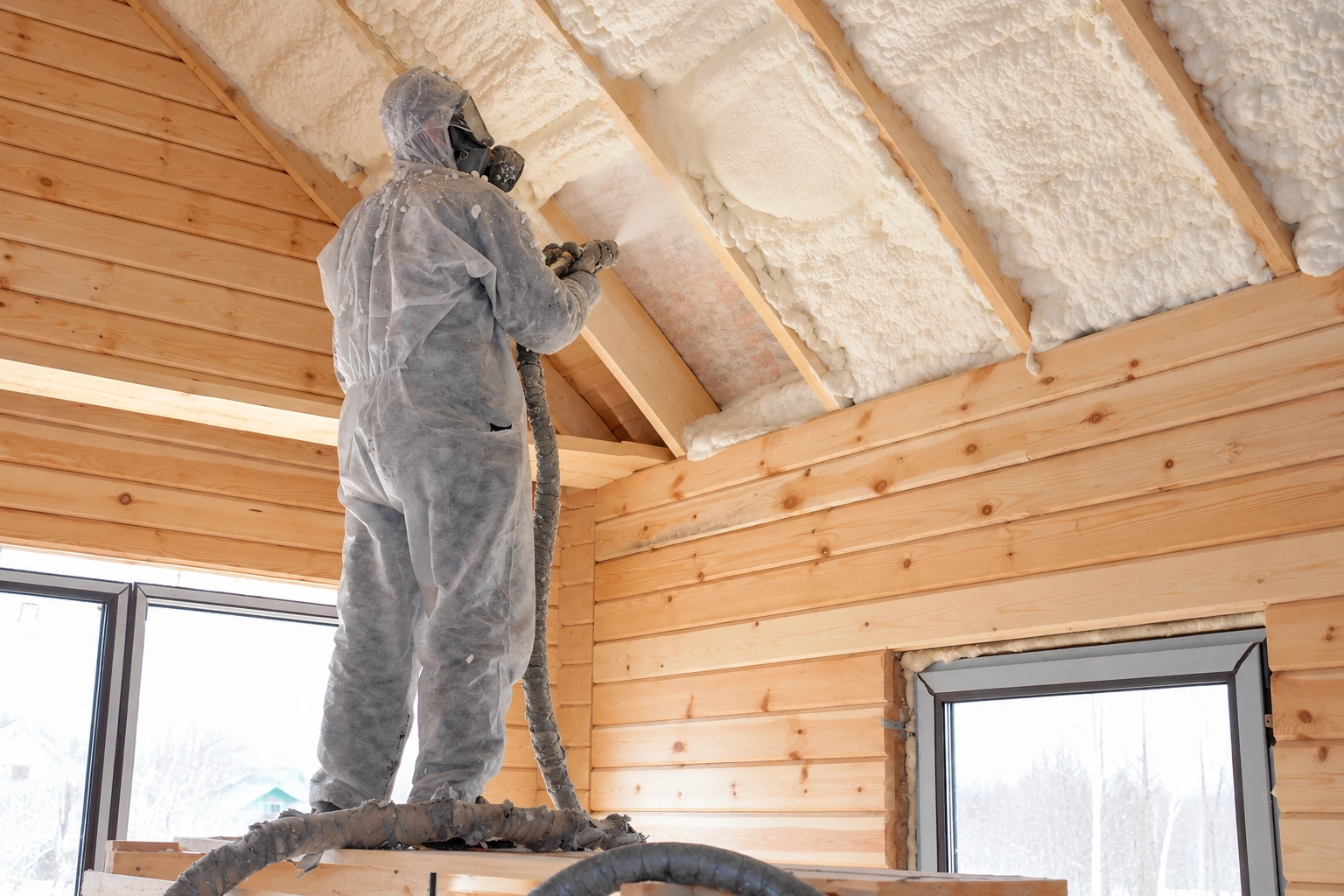
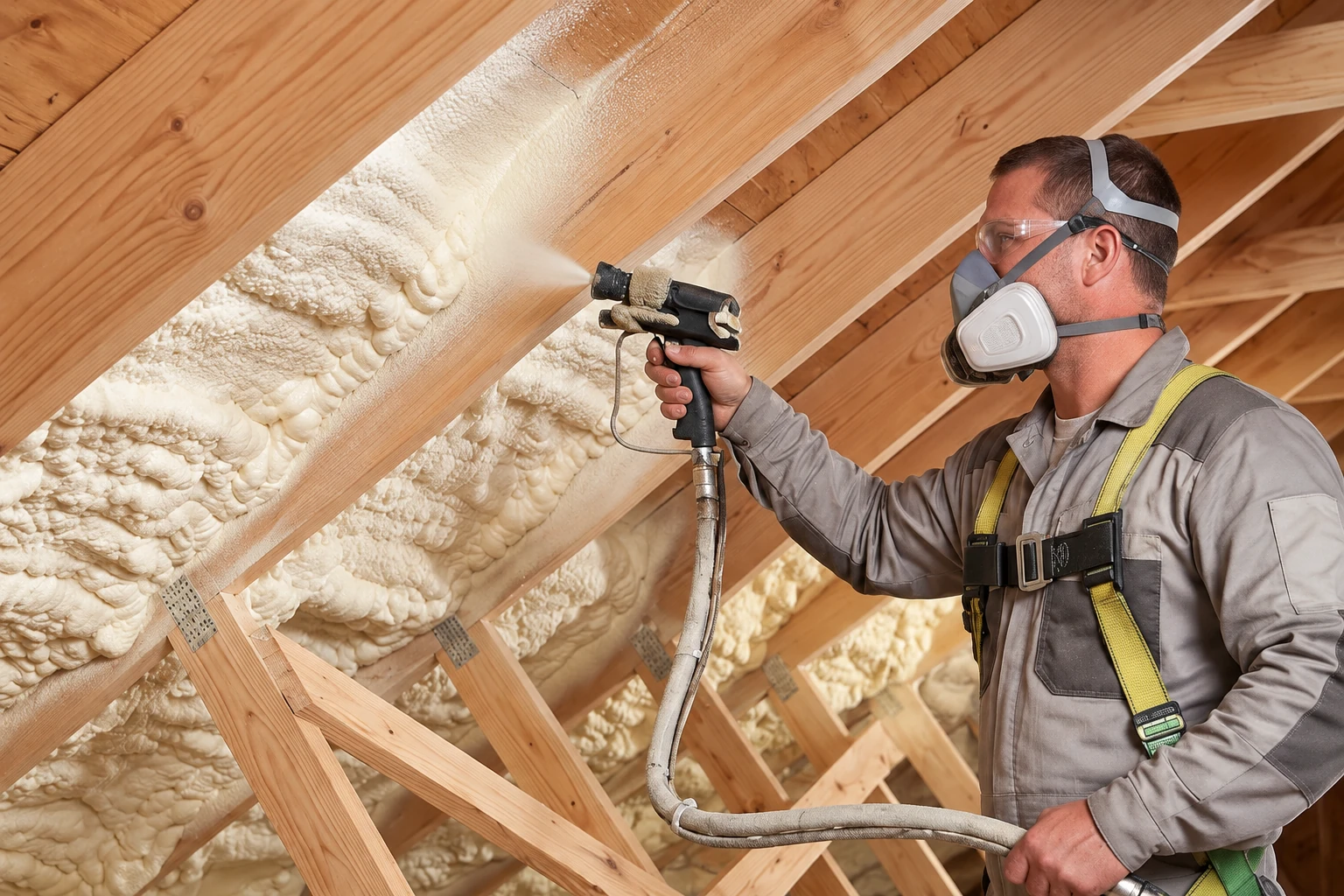
Worker in protective suit sprays white foam insulation into the ceiling of a wood-framed room.

How Whittier houses look from the attic hatch

Whittier is mostly homes, with busier commercial streets running through. The houses range from older places on raised floors with tight attics to newer tract homes with more room up top. We're an insulation contractor based in Montebello, CA, and we come out to Whittier for the same work we do next door in Pico Rivera and up in Alhambra.

The house decides the job. An older attic usually needs the old fill checked and the gaps sealed before anything new goes in, and a raised floor brings the crawl space into it too.

Insulation work we do on Whittier homes and buildings

Most calls from Whittier start with a hot upstairs, a drafty room or a power bill that keeps climbing. We do the whole range here, from attics and walls to crawl spaces and commercial spaces. Every job gets planned the same way. I or our lead installer look at the space first, check what's already there and what has to come out, and then we put the steps in order. Sealing comes before insulating, and cleanout comes before either one.

  • Spray foam insulation

    In rooms over the garage and attics where the ductwork runs, loose fill can't reach a lot of the gaps, so foam earns its higher cost there. We spray it where sealing air and insulating at the same time pays off, and we'll tell you when loose fill would do the job for less.

    Explore service
  • Attic insulation

    Most hot-upstairs calls trace back to an attic with a few thin inches of old fill. We check what's up there, seal the gaps, then bring the depth up evenly, edges included.

    Explore service
  • Blown-in insulation

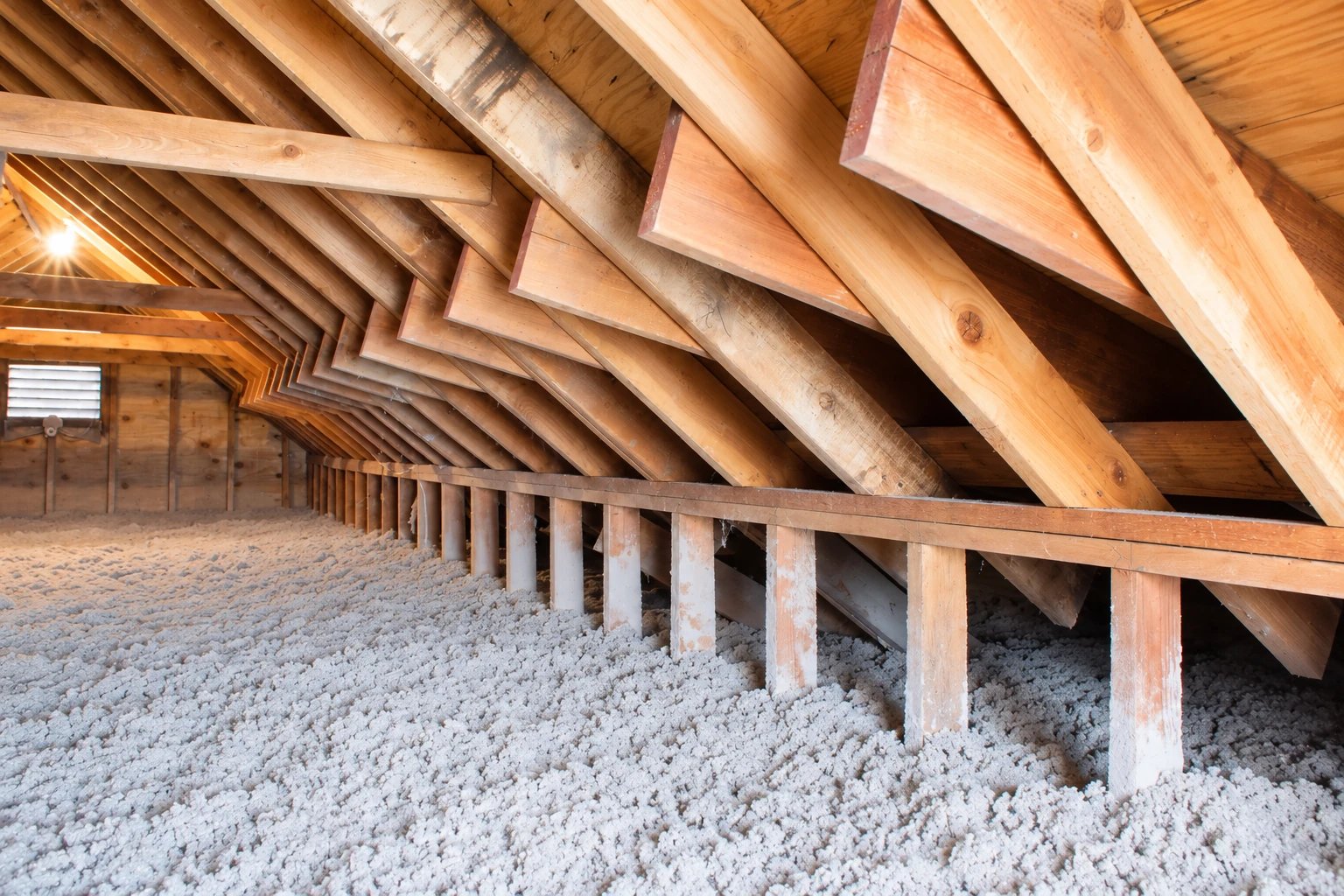
    Blown-in insulation is loose fill blown through a hose, and it suits the open attics most houses here have. We fit baffles, short channels that hold the fill back from the eaves, so the attic still breathes once the new fill is down.

    Explore service
  • Home insulation

    When the whole house feels drafty, the fix is rarely one room. We go through the attic, walls and crawl space and tell you which one to do first.

    Explore service
  • Insulation removal

    Old fill that got soaked by a roof leak or filled with droppings has to come out before anything new goes in. We bag it, clean the space and only then insulate, so the problem doesn't stay buried.

    Explore service
  • Crawl space insulation

    Houses on raised floors often have cold floors because there's nothing under them but open crawl space. We fit insulation between the floor framing and hold it tight so it doesn't sag down over time.

    Explore service
  • Wall insulation

    A lot of older walls were built with little or nothing inside them. We fill them through small holes that get patched afterward, so the stucco and drywall stay where they are.

    Explore service
  • Air sealing services

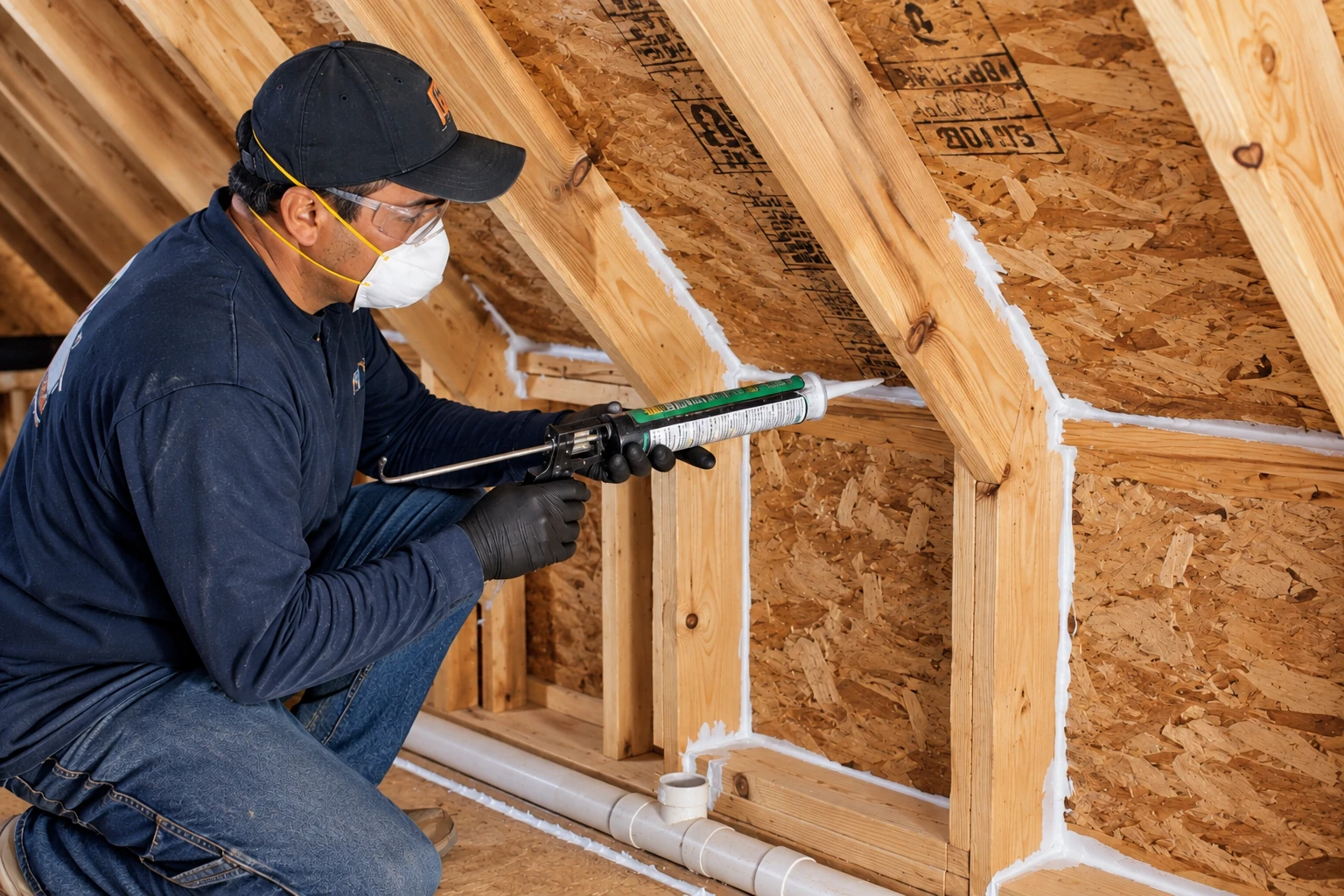
    Air sealing means closing the gaps before insulating, and it's the step that gets skipped most. We seal around can lights, pipes, wires and the hatch so the new insulation isn't fighting a draft.

    Explore service
  • Basement insulation

    Few houses around here have a basement, but where there's one or a below-grade room, the walls run cool and damp. We insulate them with material that handles moisture instead of soaking it up.

    Explore service
  • Closed-cell foam insulation

    Closed-cell foam is dense foam that blocks moisture, so it's the pick for damp spots and below-grade walls. It costs more, so we use it where moisture is the real problem, not everywhere.

    Explore service
  • Open-cell foam insulation

    Open-cell foam is softer and lighter, and it works on the attic roofline when ducts and equipment live up there. We check the roof deck for leaks first, because foam over a wet spot hides it.

    Explore service
  • Commercial insulation

    Shops and offices along the busier streets bring their own mix of roof decks, walls and drop ceilings. We walk the space with the owner or manager first and plan the work around business hours.

    Explore service
  • Crawl space vapor barrier

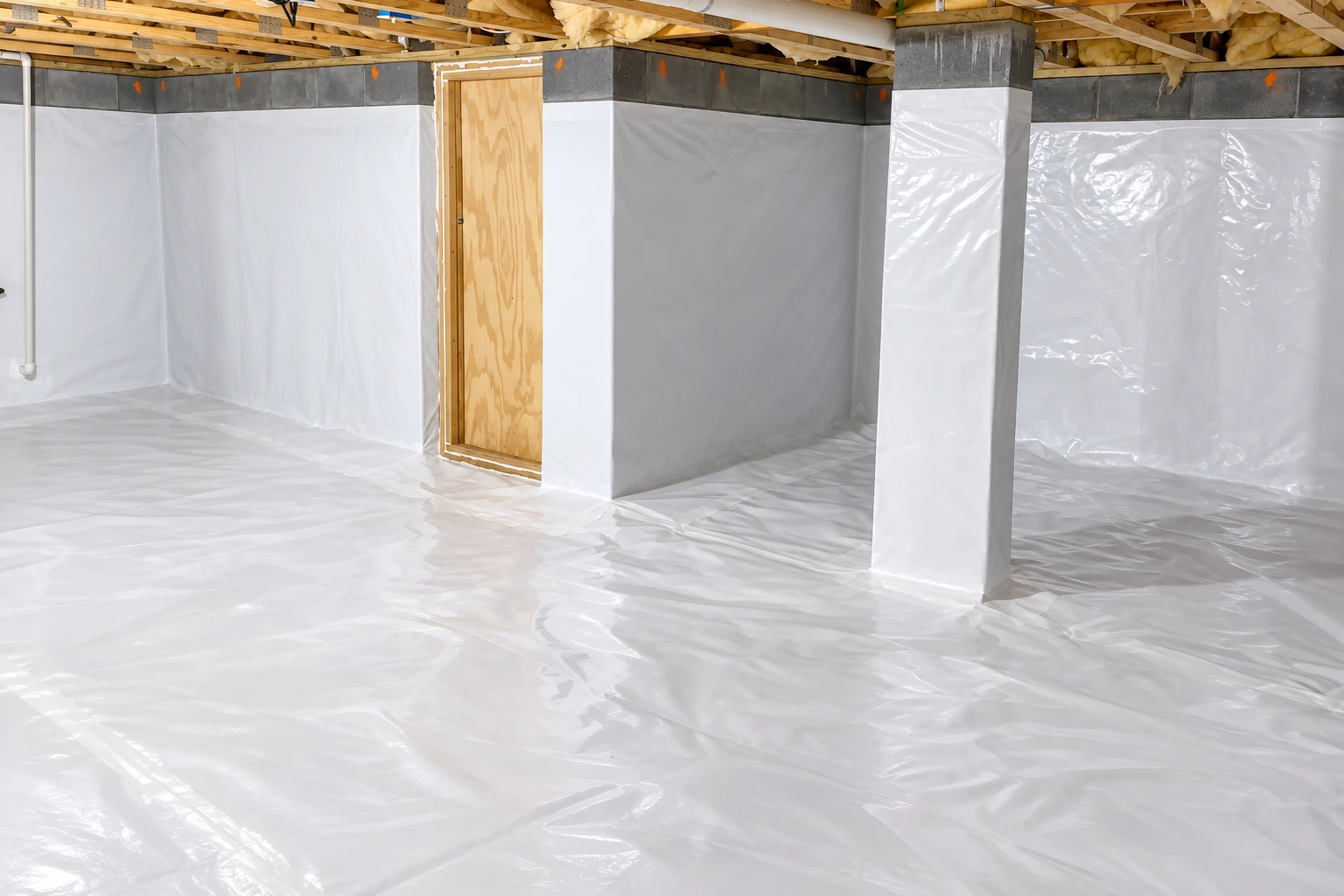
    Bare dirt under a raised floor lets moisture rise into the framing and the house. We lay a vapor barrier, a sheet that stops ground moisture, over the soil and seal the seams.

    Explore service
  • Vapor barrier installation

    Walls and floors near damp ground need the moisture kept on the right side of the insulation. We put the barrier where that particular spot needs it so it doesn't trap water in the framing.

    Explore service
  • Attic air sealing

    Attic air sealing goes after the openings between your rooms and the attic, like the hatch, light fixtures and the tops of walls. We seal those first because that's where hot attic air comes down into the house.

    Explore service
  • Retrofit insulation

    Retrofit insulation means adding to a house that's already built and lived in, which is most of what we do here. We work around finished rooms and existing wiring and clean up as we go.

    Explore service

Working in Whittier: permits, licenses and what sets your price

A few local rules decide who signs off on your job and who's allowed to do it. Here's how that works in Whittier, and what actually moves your price and schedule.

Who issues the permit and what to check

For a house inside city limits, the city's Building & Safety Division handles building permits. South Whittier-Sunshine Acres and West Whittier-Los Nietos are unincorporated county communities, outside any city, so there LA County Public Works issues the permit instead. When a job needs plans, the city's planning staff look at it before Building & Safety checks the drawings, and inspectors visit as the work goes, so a permit adds time.

You can check two things about any contractor. The state license is on file with the state licensing board, and the city requires a business license from anyone doing business in Whittier, even a company based outside it. Before we start, we check with the office that covers your address, and if the job needs a permit, we pull it and set up the inspections.

  • Inside city limits, the city's Building & Safety Division handles permits.
  • In the two unincorporated communities, the county issues the permit instead.
  • Ask any contractor for a state license and a Whittier business license.

What moves the price and the schedule

Price turns on what's already up there and what has to happen before new insulation goes in. A few inches of clean fill just needs topping up, but soaked or droppings-filled material comes out first. Foam costs more and seals air while it insulates. For most attics I'd seal the gaps and top up loose fill, unless your ductwork lives up there.

The schedule turns on the permit, if there is one, and on removal, since cleanout comes before anything new. Spray foam also has a re-entry time, the wait before you can come back inside, which the foam maker sets. When I or our lead installer come look, we measure what's there, and you get a number for your house instead of a guess.

  • How many inches are already in the attic, and how evenly.
  • Whether the old material is wet, dirty or full of droppings.
  • How many gaps need sealing around lights, pipes and the hatch.

Get a free on-site insulation estimate for your Whittier home

We reply within one business day. Then I or our lead installer come out to your Whittier house, look at the attic or crawl space and give you a free quote on site. There's no obligation, so you can take the number and think it over.

(213) 491-1019

What we find in Whittier attics and crawl spaces

Most of the houses we get into around Whittier have the same handful of problems. Here's what we look for, and why each one matters before new insulation goes in.

  • Thin, settled old fill

    A lot of attics still have the original fill, settled down to a few inches. We measure what's there before quoting, because a clean layer can be topped up and a dirty one can't. That depth is the first number we'll talk about.

  • Open gaps around lights and pipes

    Can lights, plumbing vents, wiring holes and the attic hatch leave open paths for air. If those stay open, new insulation fights a draft all summer. We seal them first, and it's the step rushed jobs skip most.

  • Eave vents buried in fill

    When fill gets blown right to the roof edge, it can bury the vents along the eaves. Then the attic stops breathing and moisture starts showing up in the framing. We hold the fill back so air keeps moving.

  • Deep in the middle, thin at the edges

    Insulation often gets piled deep in the middle of the attic, where it's easy to reach, and left thin over the outside walls. That's backward, because the edges are where heat comes in. We crawl out to the eaves and bring them up to depth.

  • The room over the garage

    Rooms over a garage are usually the hottest or coldest in the house, because they have outside air on more sides. The floor and the short walls along the roofline often have gaps or no insulation at all. When your house has one, we check those spots closely.

How we handle insulation jobs in Whittier

I started out hauling hose and crawling attics on someone else's crew, then opened this business in Montebello in 2023. Here's how that shapes the way we handle your job.

We look at the space before we sell anything

Before I talk about material, I or our lead installer get up in the attic or under the house and look. We check the old insulation, the gaps, the vents and any sign of a roof leak, because new insulation over a leak or an open gap just hides the problem. Getting the order right matters more than anything else on this job.

Sometimes what I find says the job isn't worth doing yet, or isn't worth doing at all. If your attic already has decent depth and the real issue is a handful of gaps, I'll tell you that. I'd rather lose the sale than sell you insulation you don't need.

  • Licensed and insured on every job

    We're licensed and fully insured, so the risk of someone working in your attic isn't sitting on you. Ask to see both before work starts. Any contractor worth hiring will show you without a fuss.

  • Our own crew does the work

    The person who looks at your job is me or our lead installer, and our own crew does the install. Nobody you've never heard of shows up to blow in your attic, and the plan we talked through is the one that gets done.

  • Satisfaction guaranteed on our work

    Satisfaction guaranteed is our promise on the work. We back it by doing the job in the right order, clearing out what needs to go, sealing the gaps and then insulating, so the new material isn't covering an old problem.

  • Phones open seven days a week

    We take calls from 7 AM to 10 PM, Monday through Sunday, because most people think about the attic after work or on a weekend. Call (213) 491-1019 or use the form, and you'll get a straight answer about whether it's worth a look.

Questions Whittier homeowners ask about insulation

These are the questions we hear most from people in Whittier and the county communities around it. If yours isn't here, call and ask, and we'll give you a straight answer.

Do I need a permit to insulate my attic in Whittier?

Possibly, and for a house inside city limits the city's Building & Safety Division is the office to ask. The city requires permits to alter, repair or improve a building, but its list doesn't spell out insulation by name. That's why we check with the building office for your address before we start, and pull the permit if one is needed.

When does a contractor need a California state license for a job in Whittier?

Under state rules, a contractor needs a state license when the project needs a building permit, uses any extra workers, or has contracts totaling $1,000 or more in labor and materials. Ask any contractor for the license number before you sign. The city also checks that number when a contractor applies for a Whittier business license.

How much can a contractor ask for as a down payment on home improvement work in California?

The state licensing board's guidance caps a home improvement down payment at $1,000, and lower on a small contract, because the cap is also tied to a small share of the total price. Under that same guidance, any other payments must be listed in the contract and tied to work already done or materials already delivered to your house.

What makes attic insulation cost more or less in Whittier?

The biggest swings come from removal, air sealing and the material you pick. Cleaning out wet or dirty fill adds a full step, foam costs more than loose fill, and a low, tight attic takes longer to work in than a roomy one. You'll get your own number after we look, because none of that shows up from the street.

How long do we have to stay out of the house after spray foam insulation?

That wait is called re-entry time, and the foam maker sets it for the product, so we tell you what it is before the job is booked. With blown-in loose fill, most people stay home and just keep kids and pets away from the work area.

What causes the upstairs to get so hot in a Whittier house?

Usually it's hot attic air leaking down through open gaps, plus too little insulation over the rooms, especially at the edges. Upstairs rooms and rooms over the garage take the worst of it. Sealing the gaps first and then bringing the insulation up evenly is what fixes it, not just piling more on top.

Service areas

We're based in Montebello and work across the cities around it, including the ones listed here. If your city isn't on the list, call (213) 491-1019 and ask.

Ask about your location
(213) 491-1019Get an estimate