Blown-in insulation in Montebello CA - even coverage at the depth on the bag
Hot upstairs or a power bill that climbs every summer? We seal the gaps, then blow in an even layer across the whole attic floor.
Is blown-in insulation right for your Montebello attic?
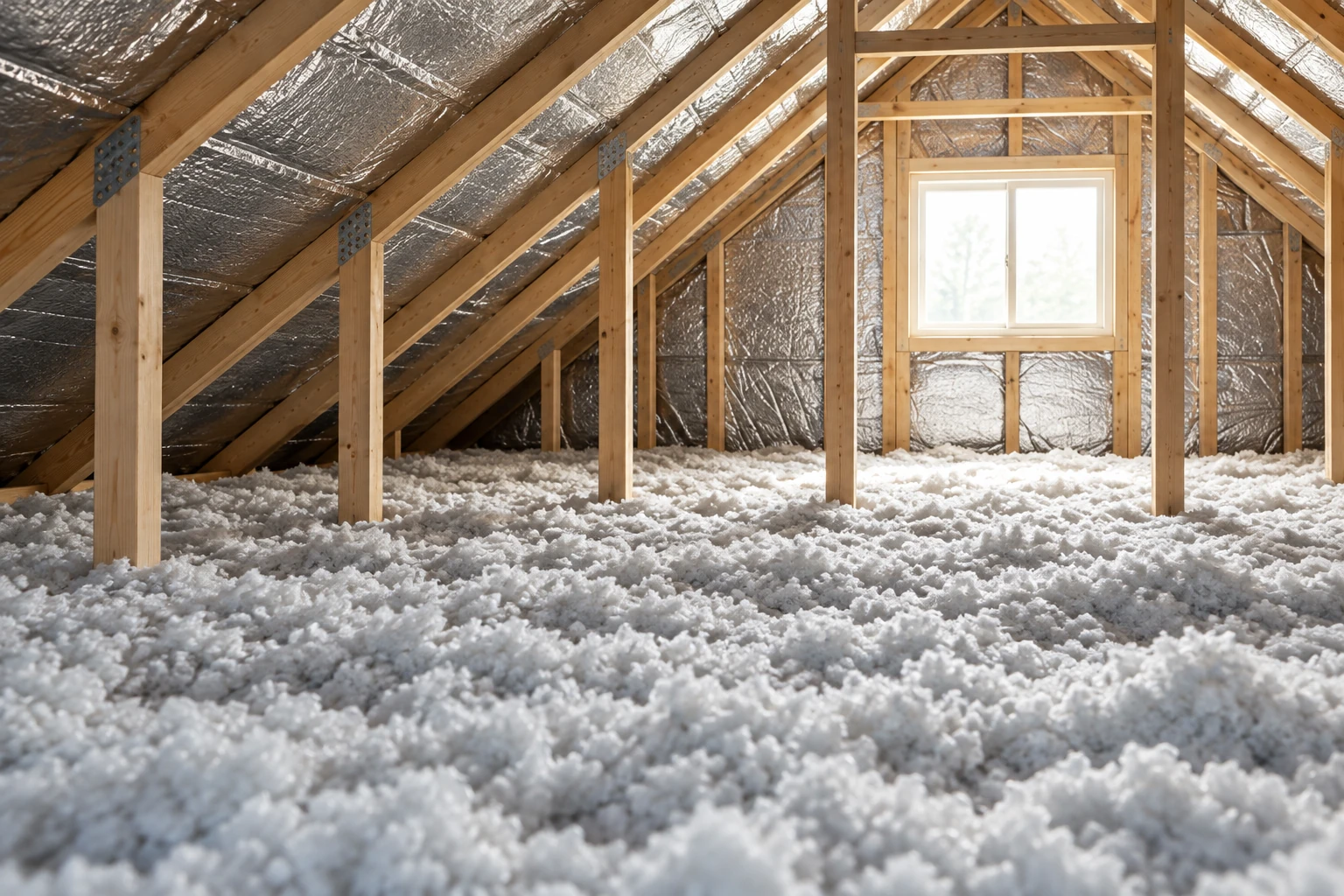
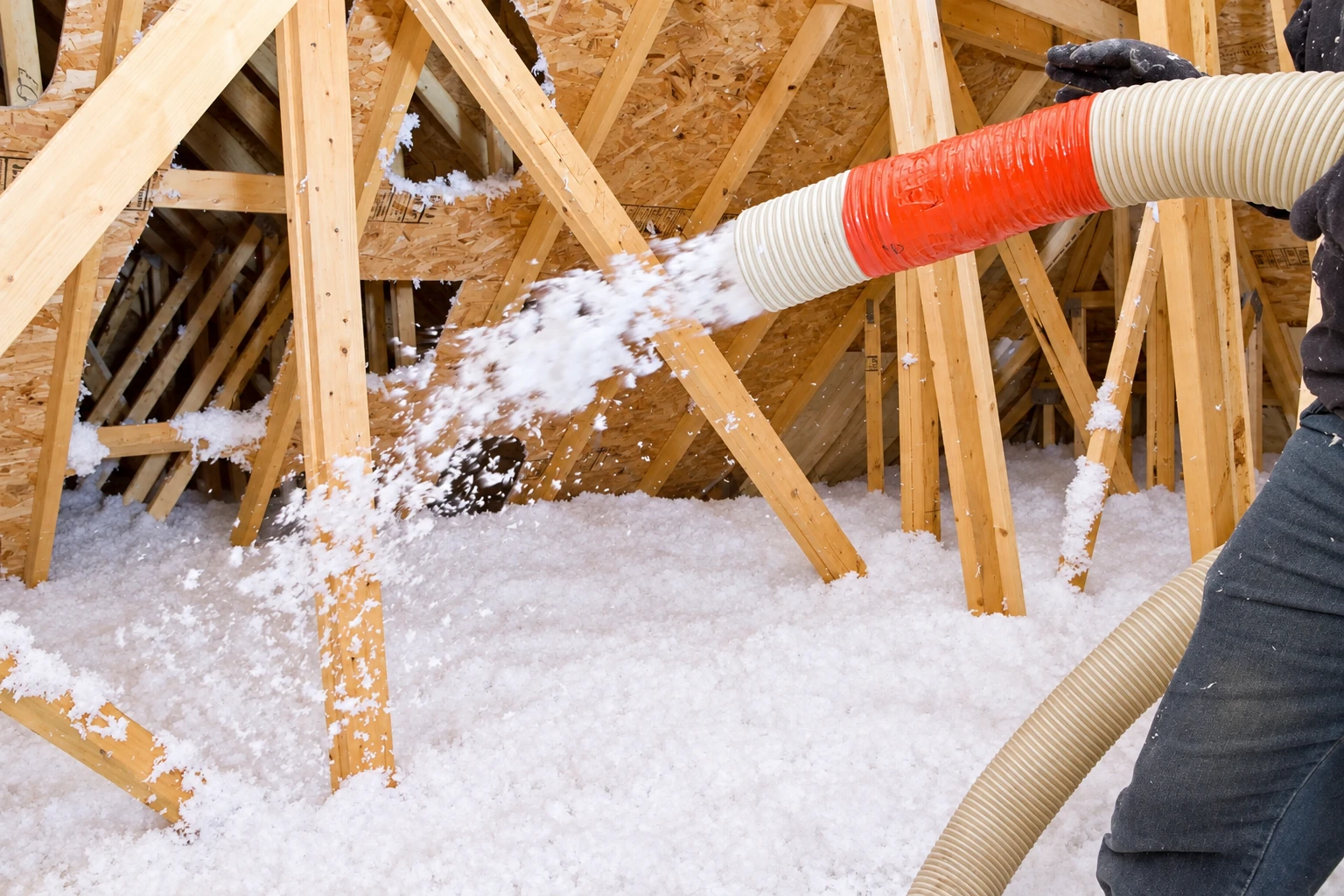
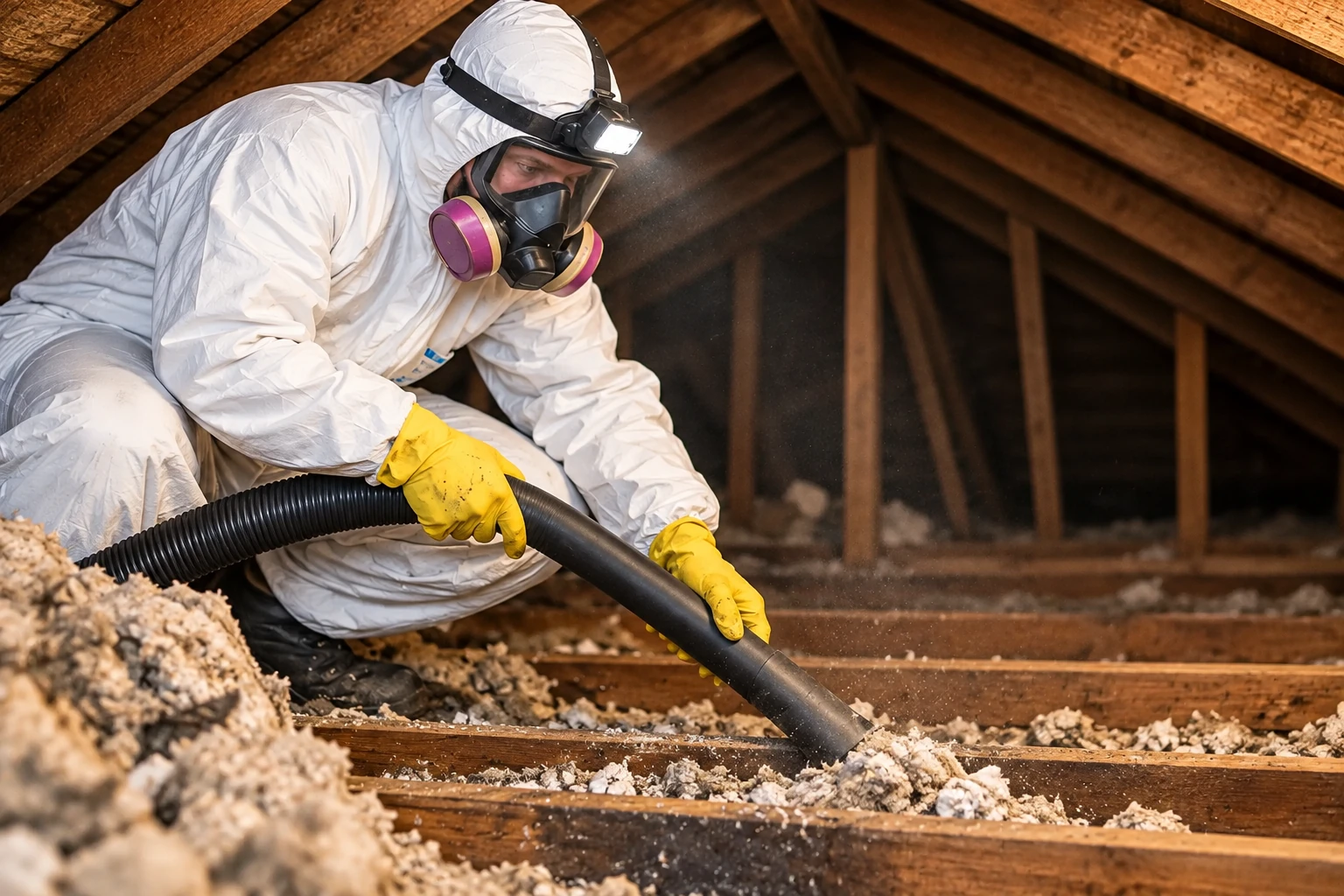
Blown-in insulation is loose fill, usually cellulose or fiberglass, blown through a hose across your attic floor. In Montebello we put it down after the ceiling is air sealed, which closes the small gaps where air leaks through, so it slows the heat coming down from the roof. It should cover the whole ceiling out to the top plate, the board along the tops of the walls, and the blowing itself is usually the short part once anything that needs fixing is done.
Most calls start the same way. It's hot upstairs by afternoon, the room over the garage never cools off, and the power bill climbs all summer. There's often some insulation up there already, just thin or pushed aside, with gaps around the can lights, pipes and hatch letting air straight through, and blown-in suits that attic because the hose reaches corners a roll can't.
The price turns on how big the attic is, how many inches are already up there, how much sealing comes first and whether anything has to be fixed before new fill goes down. The schedule turns on those same fixes and on what the building office says about a permit. Your written estimate lays out what we'd do and in what order, so you can see where your number comes from.
- Loose fill goes across the whole attic floor, reaching the corners and edges a roll misses.
- If the old layer is soaked or full of droppings, we fix that before blowing anything in.
- Walls and the crawl space are separate jobs, so we price them on their own.
What happens when you call us about blown-in insulation in Montebello?
From the first call to the last look in the attic, you deal with me or our lead installer and our own crew. Nothing goes in until we've seen the space and written down the order.
Call or send the form
Call (213) 491-1019 or send the form, and we set a time to come out and see the space in person. Tell us where the attic hatch is and point out any recessed lights or old vermiculite you know about.
We look and write it up
I or our lead installer goes into the attic and notes the inches already there and anything that has to be fixed first. You get a written estimate that says what we'd do and in what order, so you know where the money goes before you decide.
Our crew does the work
Once the building office question is settled, our own crew does the work you signed off on. Montebello allows construction from 7 a.m. to 8 p.m. on weekdays and 9 a.m. to 6 p.m. on weekends and holidays, so we book your day inside those hours.
We walk it with you
When the crew finishes, we walk the attic with you so you can see the depth and the cleared lights and vents. Ask anything then, while we're still there.
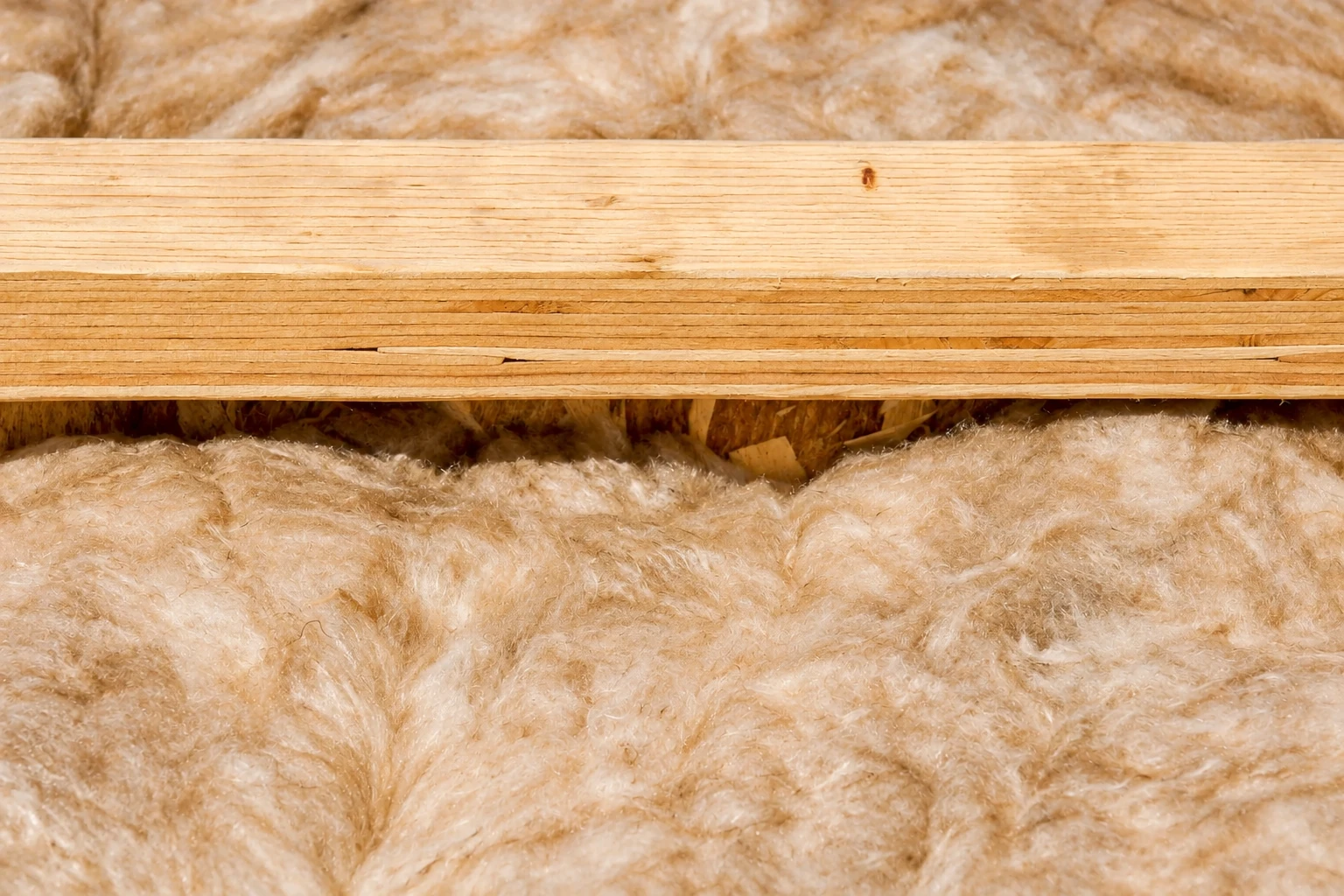
What blown-in attic insulation looks like going in
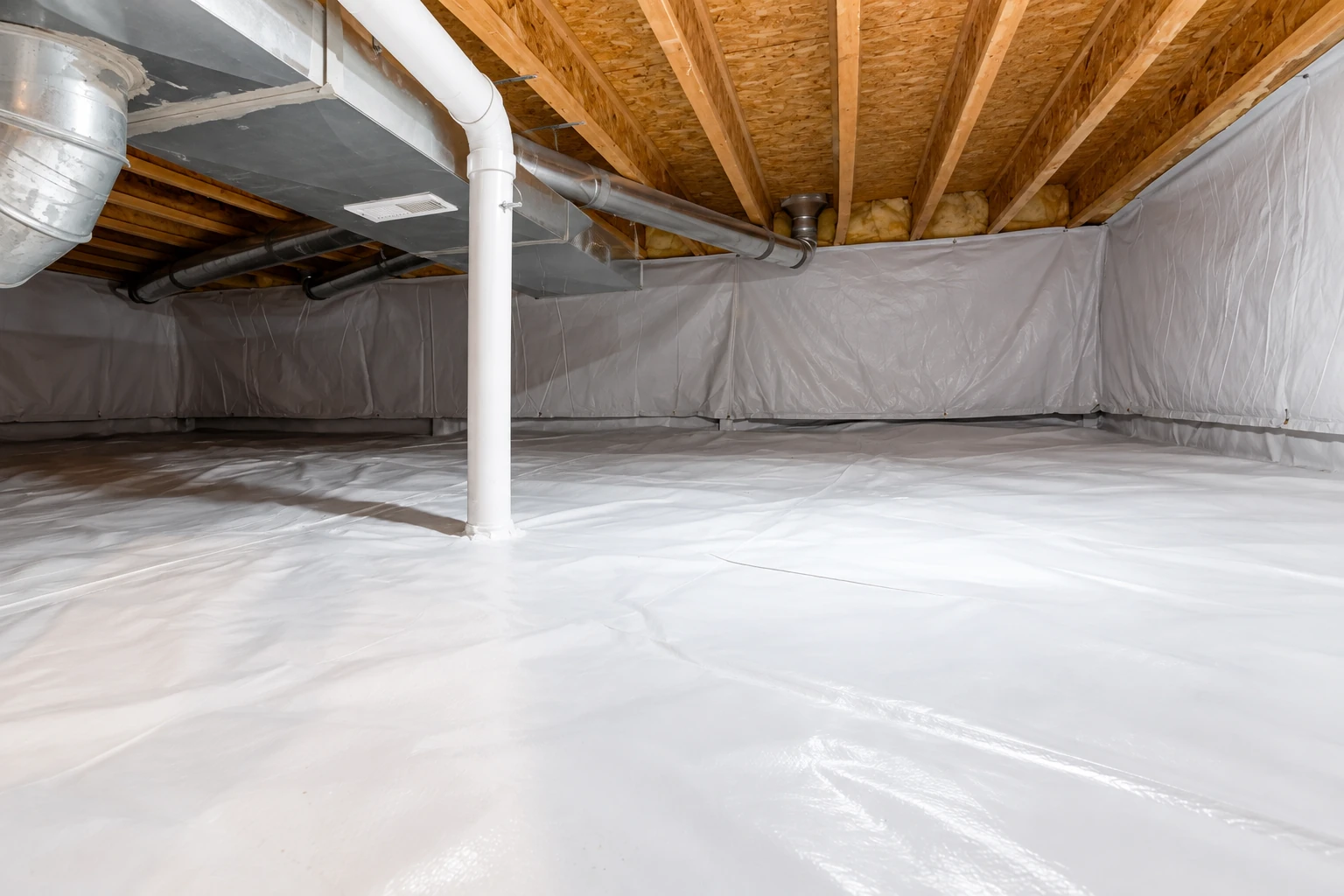
These photos show the trade in general, like a hose laying loose fill across an attic floor, sealed gaps and clear vents. They aren't from a particular house, just a look at what the work involves.
Attic with white blown insulation covering the floor and spray foam filling the roof rafters beside exposed wood framing and ducts.
Unfinished room with white spray foam insulation filling wall and roof cavities between exposed wooden studs and rafters.
Crawl space with a white vapor barrier covering the floor, pink insulation between joists, and black ductwork overhead.
Unfinished room with exposed wood framing and pale spray foam insulation filling the wall cavities.
Foil-wrapped ducts run through an attic beneath spray foam insulation, secured among exposed wooden rafters.
Basement with pink insulation between ceiling joists, exposed concrete walls, support posts, and metal ductwork.
Get a written estimate for blown-in insulation in your attic
We reply within one business day, and the on-site estimate is free with no pressure to book. After you send the form, we set a time for me or our lead installer to look at your attic.
(213) 491-1019Blown-in insulation questions we hear in Montebello
These are the questions people ask before they let anyone into the attic. The answers come from what we see on the job and from what the makers and the state say.
How much does blown-in attic insulation cost in the Los Angeles area?
Attic insulation in the Los Angeles area usually costs about $1,600 to $5,300 per job, and that's the going range for attic insulation in general, not our price. Where your attic lands depends on its size, how many inches are already up there and how much sealing or fixing comes first. The written estimate after our visit gives your own figure, and the work comes satisfaction guaranteed.
Is blown-in insulation cheaper than batts?
Blown-in is usually less expensive than batts, the precut blankets, and it gives better coverage because the fill settles around joists and wires. Install costs vary, so it isn't the cheaper way in every attic, and we'll say so if yours is the exception.
What is the best blown-in material for an attic, cellulose or fiberglass?
Both can perform well, so the better question for any bid is whether it reaches the depth and minimum weight printed on the bag. Cellulose usually gives more R-value, which is how well insulation slows heat, per inch and uses more bag weight, while fiberglass is lighter and some products cover more area per bag.
How do I handle old vermiculite insulation in my attic?
Treat it as if it may contain asbestos and leave it alone until a qualified professional looks at it, which is what the EPA advises. If you've seen it up there, tell us when you call, because that review comes before any new insulation gets planned.
Does an insulation contractor need a license in California?
Yes, the Contractors State License Board licenses insulation contractors, who install insulating material for heat or sound control. A license is needed even on a job under $1,000 if the work needs a permit of any kind, or if the person hires workers to help. We're licensed and fully insured.
How long does blown-in cellulose insulation last?
Properly installed cellulose can keep working well for decades, according to the cellulose industry's trade group. The usual trouble is a roof leak or an open gap buried under it, which is why we deal with those first.
Blown-in insulation in Montebello and the cities nearby
Montebello's Building and Safety Division asks owners to contact it before any project to learn whether permits and inspections apply, so we check and pull any permit needed. We see the same kinds of attics in Pico Rivera and Monterey Park.