Reliable Montebello Insulation ServicesReliable Montebello Insulation Services(213) 491-1019

Insulation contractor in Norwalk, CA - attics sealed and insulated in the right order

Reliable Montebello Insulation Services is an insulation contractor based in Montebello that works in Norwalk, CA. We look at your attic or crawl space first, tell you straight what we see, then seal the gaps and insulate.

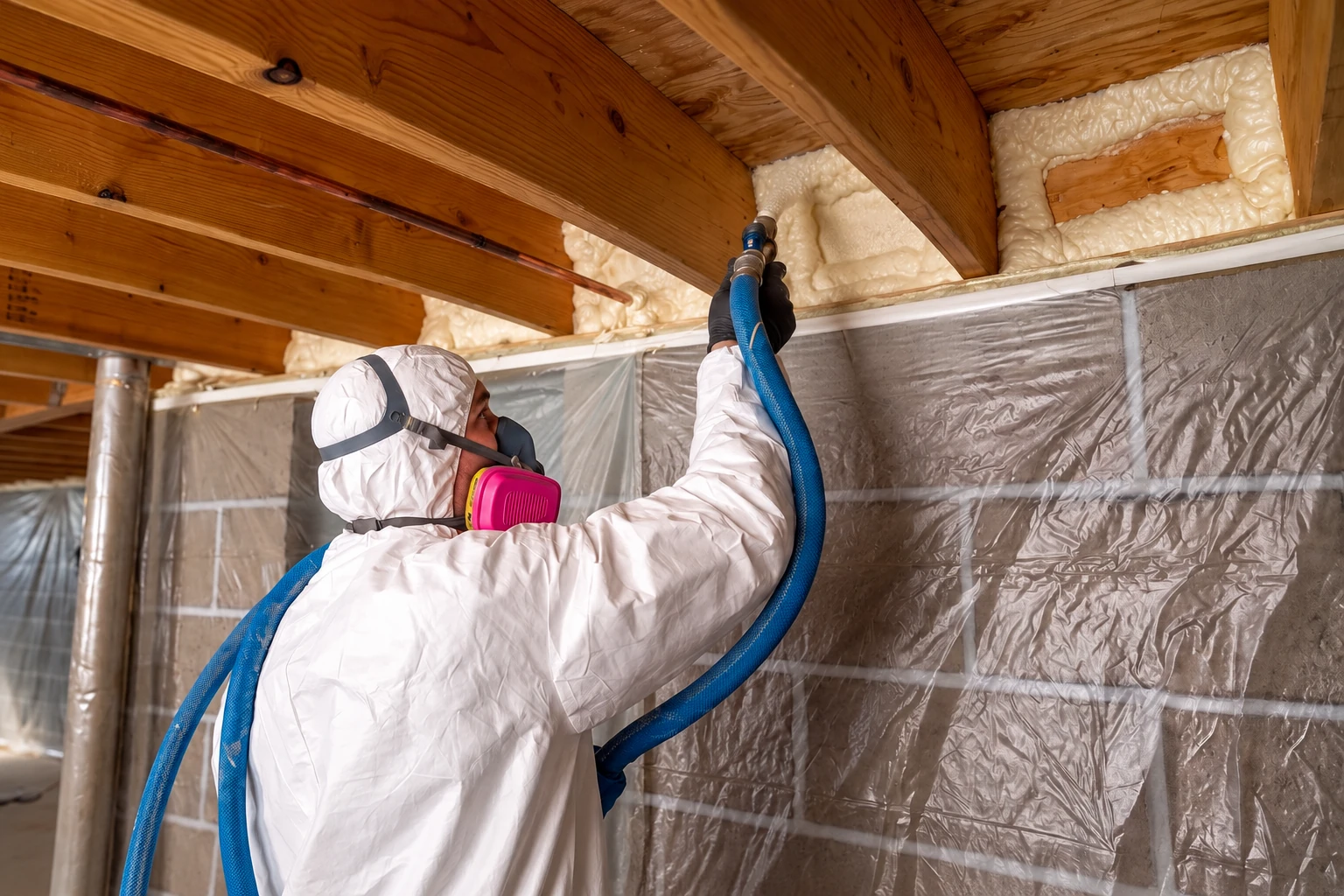
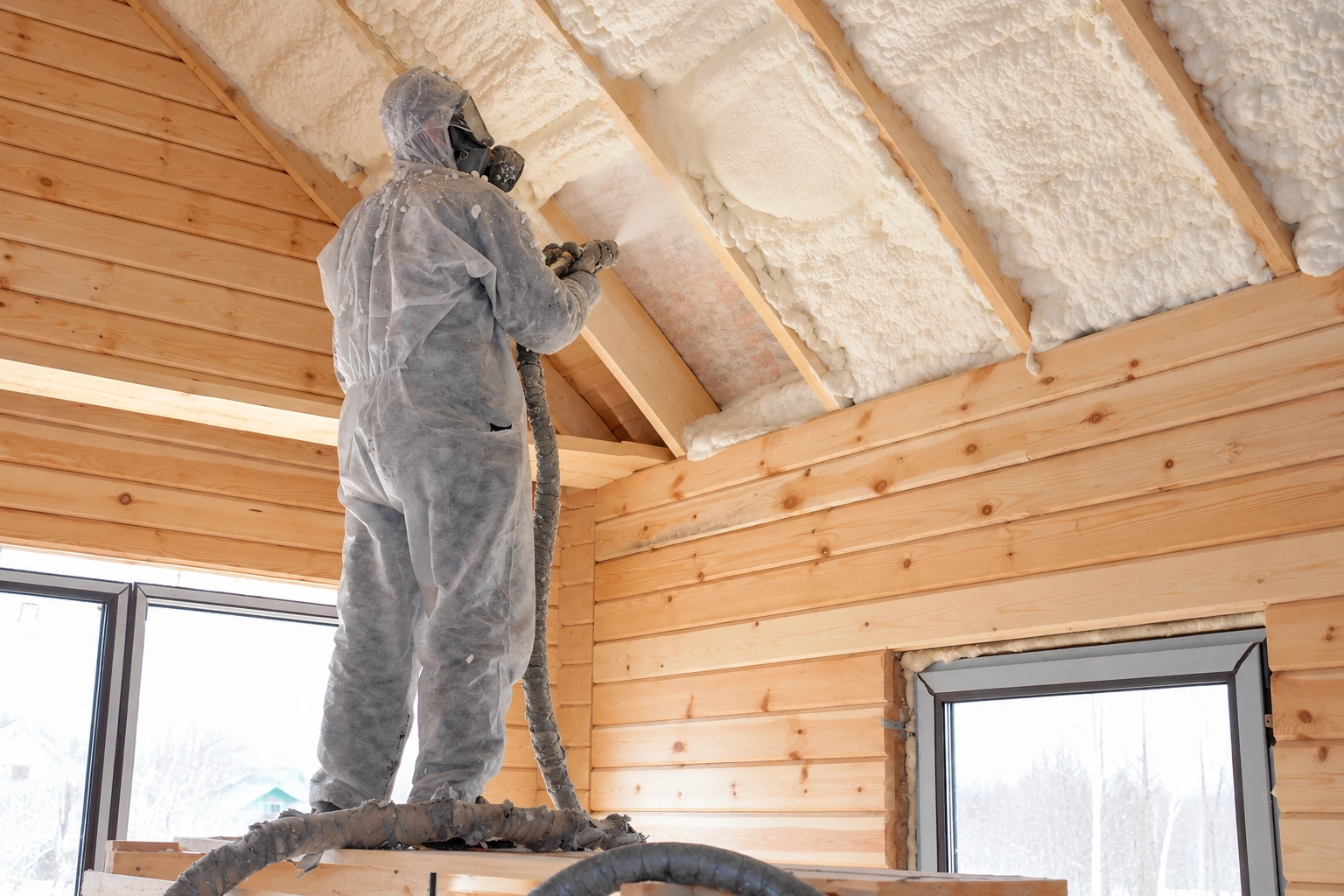
Worker wearing protective gear applies spray foam around framing above a plastic-lined basement wall.

What we find when we're called out to Norwalk

We come down to Norwalk from Montebello for the same calls we get across the cities around us. There's a hot upstairs or a back room that won't cool down, a room over the garage nobody wants to sit in, cold floors over a crawl space, or a power bill that keeps creeping up. Most of the people who call are homeowners, with some landlords and property managers asking about rentals and a few business owners. We do the same work up the road in Downey and over in Commerce.

What's up in the attic decides the job more than the street does. Houses that have been around a while often have insulation laid on top of insulation, so we start by checking how many inches are there, whether it's clean and dry, and whether the eave vents can still breathe.

Insulation services we bring to Norwalk homes and buildings

Every job in Norwalk starts the same way. The owner or our lead installer goes up into the attic or under the floor and looks before anyone talks price. Then we work in order, because that's where most insulation jobs go wrong. Leaks get fixed first, wet or dirty material comes out, the gaps get sealed, and the vents stay clear before new insulation goes in. Below is what we do and what usually sends people looking for it.

  • Spray foam insulation

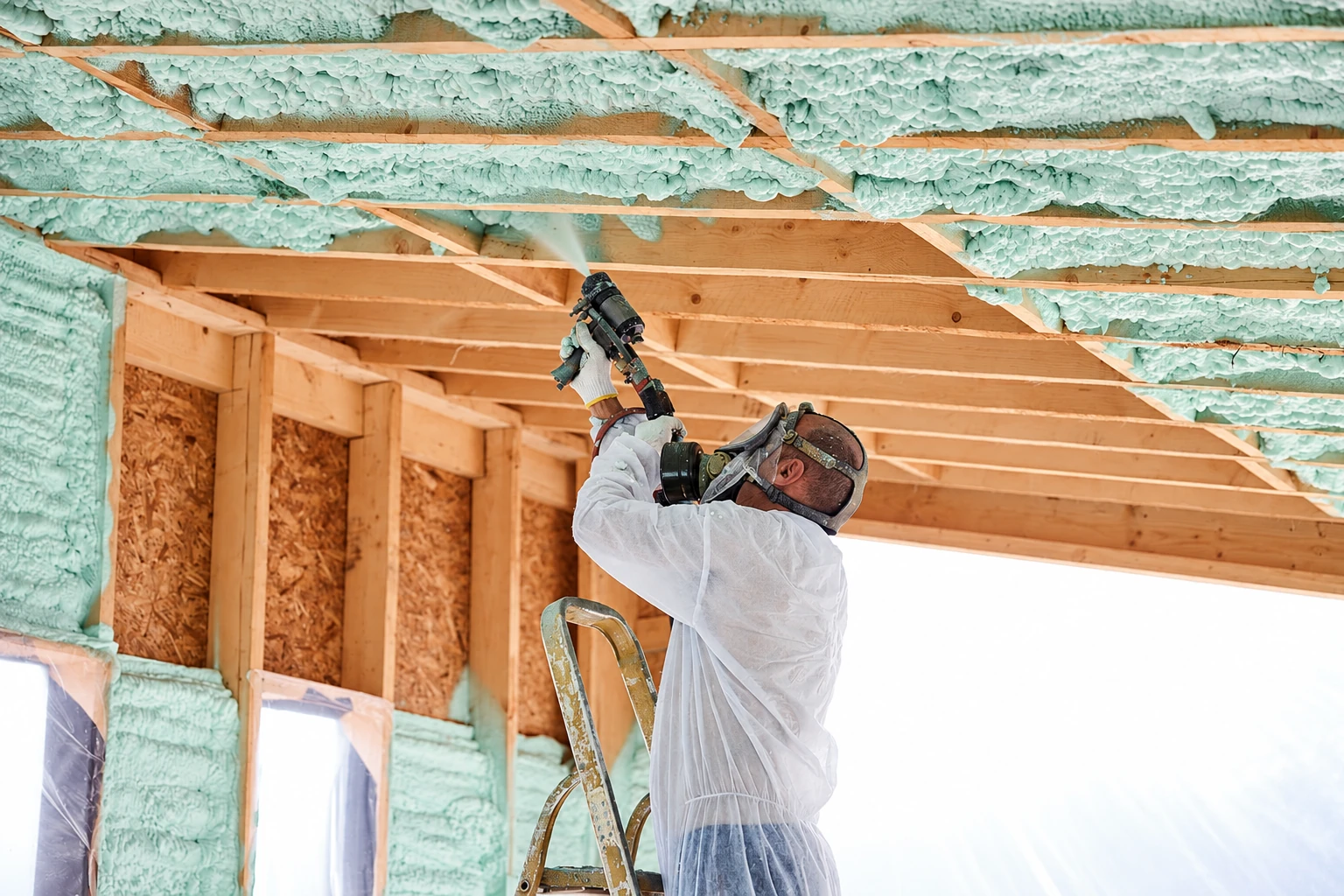
    A room over the garage or a low roof with no space for loose fill is where spray foam earns its cost. We spray it into the rafters or walls, so it seals air and insulates in one pass.

    Explore service
  • Attic insulation

    A hot upstairs usually comes down to a thin or patchy attic. We check how many inches are up there, seal the gaps, and bring the depth up evenly, edges included.

    Explore service
  • Blown-in insulation

    On a single-story house with an open attic, blown-in insulation, loose fill sent through a hose, is usually the best value. We blow it out to the eaves instead of piling it up in the middle.

    Explore service
  • Home insulation

    Houses with add-ons built at different times often have one room that never matches the rest. We look at the attic, walls and floors together and tell you which part is worth doing first.

    Explore service
  • Insulation removal

    Insulation soaked by an old roof leak or full of droppings has to come out before anything new goes in. We bag it, clean the attic floor, and only then insulate, so the problem doesn't stay buried.

    Explore service
  • Crawl space insulation

    Cold floors over a raised foundation usually mean the crawl space is bare or the old batts have fallen down. We fit insulation between the floor joists and hold it up so it stays put.

    Explore service
  • Wall insulation

    Older stucco houses often have little or nothing in the walls, and you feel it in the outside rooms. We fill the wall cavities through small holes and patch them when we're done.

    Explore service
  • Air sealing services

    A drafty house usually leaks around can lights, pipes, wires and the attic hatch. Air sealing, closing those gaps before insulating, keeps new insulation from fighting a draft all day.

    Explore service
  • Basement insulation

    Few houses in these cities have a basement, but where there is one, damp walls are usually the issue. We deal with the moisture first, then insulate with material that can handle it.

    Explore service
  • Closed-cell foam insulation

    Closed-cell foam, a dense foam that blocks moisture, fits spots that get damp, like a crawl space wall. It costs more, so we only suggest it where stopping moisture actually matters.

    Explore service
  • Open-cell foam insulation

    When the ductwork runs through the attic, open-cell foam on the roofline keeps that space closer to room temperature. It's lighter and softer than closed-cell and fills odd shapes well, but it doesn't stop moisture.

    Explore service
  • Commercial insulation

    Small shops, offices and rental buildings have the same problems as houses, just with more roof. We plan the work around your open hours where we can so the business keeps running.

    Explore service
  • Crawl space vapor barrier

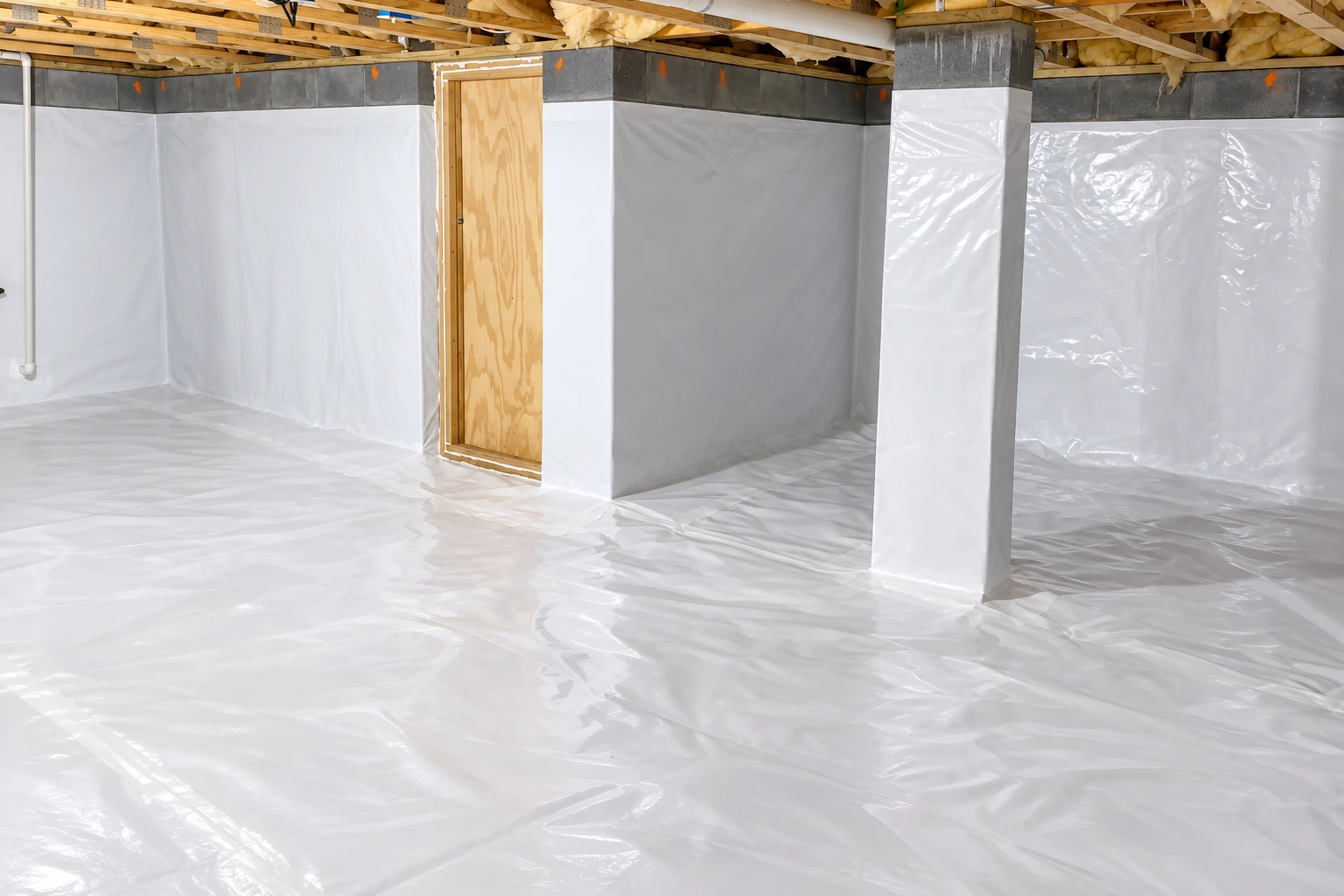
    A damp crawl space sends moisture and a musty smell up into the house. We lay a vapor barrier, a heavy plastic sheet, over the dirt and seal the seams so the damp stays down there.

    Explore service
  • Vapor barrier installation

    Walls and ceilings next to a bathroom, laundry or garage can trap moisture inside the insulation. We put the barrier on the right side of the wall so damp air can't work its way in.

    Explore service
  • Attic air sealing

    Some attics still feel drafty after a top-up because nobody sealed the gaps underneath. We seal around the hatch, lights and pipes from above before we add a single inch.

    Explore service
  • Retrofit insulation

    Most houses we see are finished and lived in, so the insulation has to go in without tearing rooms apart. We work through the attic, the crawl space or small holes in the wall and leave your finished rooms alone.

    Explore service

Working in Norwalk: licenses, permits and what drives the price

Insulation work in Norwalk runs on the same state rules as the rest of California. Here's what we sort out before the job starts, and what decides what it costs and how long it takes.

License and permit checks before we start

This is the first thing you can check before anyone climbs into your attic. California says anyone who contracts for work that needs a building permit, uses employees or workers, or comes to $1,000 or more in labor and materials combined must hold a current license from the Contractors State License Board. So ask any insulation contractor for their state license details before you sign, and that includes us.

Whether your job needs a permit is up to the building office that covers your address, and that may be the city or the county. We check with that office before we start. If the job needs a permit, we pull it and set up the inspections, which can push the start date back, so we tell you about it up front.

  • Ask for the contractor's state license details along with the quote.
  • We check permit needs with the office covering your address first.
  • If a permit is needed, we pull it and book the inspections.

What moves your price and your schedule

Price comes down to what's up there now. An open attic that only needs its gaps sealed and a top-up of blown-in costs less than one where soaked insulation or droppings have to come out first. A big attic, tight access through a small hatch and choosing foam over loose fill all push the number up.

The schedule turns on the same things. Removal and cleanup come before anything new goes in, and a permit with inspections adds time before we start. Spray foam also means time out of the house, covered in the questions below. The owner or our lead installer looks first, so your figure comes from what's actually up there, not a guess over the phone.

  • Old insulation that's soaked or full of droppings comes out first.
  • Gaps around lights, pipes and the hatch get sealed before insulating.
  • Your own figure comes from the on-site look, not a phone guess.

Get a free on-site insulation estimate for your Norwalk house

We reply within one business day. Then the owner or our lead installer comes out to your Norwalk house, looks at the attic or crawl space, and gives you a free quote on site with no pressure to book. Ask for our state license details at the same time and we'll give them to you.

(213) 491-1019

What we check on every Norwalk attic and crawl space

These are the things we look for on every house we see around Montebello, Norwalk included. Most of what goes wrong comes from what's already up there, not from the new work.

  • Old insulation under the new

    If the old layer got wet from a roof leak or rodents moved in, putting fresh insulation over it just hides the mess. The smell, the damp and the droppings stay. We check what's down there before we decide anything goes on top.

  • Gaps around lights and pipes

    Can lights, plumbing vents, wiring holes and the attic hatch are where air slips between the house and the attic. Leave them open and the insulation sits in a draft. Those spots get sealed before anything else happens.

  • Eave vents buried in fill

    Blow insulation right over the vents along the eaves and the attic stops breathing. Moisture builds up and shows in the wood framing. We keep a clear path at the eaves so air keeps moving while the insulation does its job.

  • Deep middle, thin edges

    A lot of attics we open are piled deep under the hatch and nearly bare out by the walls, which is backward. The edges are hard to reach, so they get skipped. We carry the depth all the way out to the eaves.

  • The room over the garage

    That room usually has the garage under it, outside walls on three sides and very little space above the ceiling. It's the hottest room in summer and the coldest in winter. It often needs a different approach than the main attic, and sometimes that means foam.

Why a look-first insulation crew is worth the call

We've been doing this since 2023, and the business runs on a few habits I picked up crawling attics for other people first. Here's how those habits show up on your job.

We look first and work in order

I started as a helper on a small insulation crew, hauling hose and crawling attics, and opened this business in Montebello in 2023. That's why the owner or our lead installer comes out to look before anyone quotes you. I'd rather spend the time in your attic than guess from the driveway, and if the job isn't worth doing, I'll tell you so.

Order matters more than material. A roof leak gets fixed before we insulate, because new insulation over a wet deck only hides it. Then old, dirty fill comes out, the gaps get sealed, the eave vents stay clear, and the new insulation goes in last. Call (213) 491-1019 or use the form to set up a time for us to look.

  • The person quoting has crawled attics

    The owner or our lead installer comes to your house and goes up into the attic or under the floor. You get a quote from someone who's done the work, not a salesperson reading off a sheet, and you can ask questions while they're up there.

  • Our own crew does the work

    The people who show up to insulate are our crew, not a sub you've never met. They know the order we work in and know to keep the vents clear and the edges full, so what we quoted is what goes in.

  • Licensed in California, fully insured

    We're licensed and fully insured, and we'll give you our state license details with your quote. It's the first thing worth checking with any contractor you call, and you can hold ours up against anyone else you're comparing.

  • Straight answers, satisfaction guaranteed

    If a top-up isn't worth it, or foam isn't worth the extra money in your house, we say so before you spend anything. I'd rather lose a sale than sell you work you don't need. Satisfaction guaranteed.

Norwalk insulation questions we hear before a job

These are the questions people in Norwalk ask before they let anyone into the attic. The license answers follow California's rules, and the rest is what we've learned doing the work.

How do I know if a small insulation job in Norwalk can be done by someone without a contractor license?

It can only if the job falls under California's minor work exemption, which the state licensing board raised from $500 to $1,000. Labor, materials and all other costs together have to stay under $1,000, the work can't need a permit, no employees can be used, and the person can't advertise as a licensed contractor. Anything bigger, or anything with a crew, takes a licensed contractor.

Can I insulate my own attic in Norwalk without a license?

You may not need one, because the state licensing board says owners improving their own property can be exempt if they do the work themselves or use their own employees paid in wages. If you go that way, do it in order. Pull out anything wet or full of droppings, seal around the lights, pipes and hatch, and keep the eave vents clear before the first bag goes in.

How much does it cost to insulate an attic in Norwalk?

We can't give an honest number without seeing your attic, because the price moves with what's already up there. Sealing gaps and topping up with blown-in costs the least, removal of soaked or dirty insulation adds to it, and foam costs more than loose fill. You get your own figure from the on-site look.

How long does attic insulation take, and do we have to leave the house?

A straight blown-in top-up usually doesn't send anyone out of the house, but spray foam does. With foam, everyone, kids and pets included, stays out for the foam maker's re-entry time, the wait before it's safe to come back inside. How long we're in the attic depends on whether old material comes out first and how much sealing it needs, and we tell you both before we start.

What is the best way to insulate an attic in Norwalk, spray foam or blown-in?

For most attics, sealing the gaps and topping up with blown-in is the better buy. Foam costs more, but it seals air while it insulates, so we lean toward it when the ductwork runs through the attic or the room over the garage has no space for loose fill. We'll tell you which one your house actually needs.

Service areas

We're based in Montebello and work in Norwalk and the cities around it, including the ones listed here. If your city isn't on the list, call (213) 491-1019 and ask.

Ask about your location
(213) 491-1019Get an estimate