Reliable Montebello Insulation ServicesReliable Montebello Insulation Services(213) 491-1019

Insulation Contractor in Monterey Park, CA - Sealed Attics, Cooler Rooms

Reliable Montebello Insulation Services is an insulation contractor based in Montebello, CA. In Monterey Park, we look at attics, walls and crawl spaces first, then seal the gaps and add insulation where your house needs it.

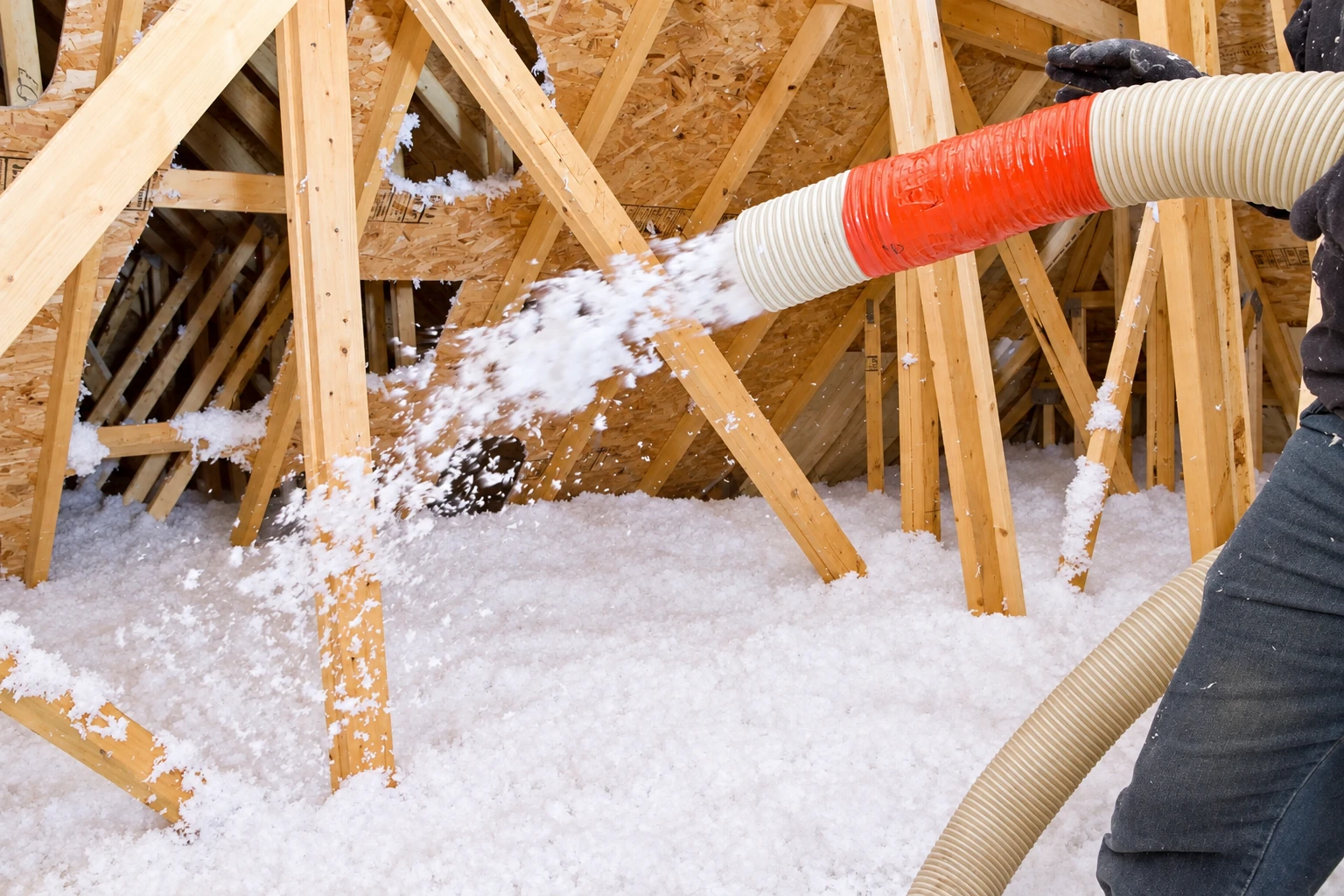
Blown-in insulation is sprayed from a flexible hose across the floor of a timber-framed attic.

Monterey Park houses as we see them on the job

Monterey Park is right next door to Montebello, where we're based, so getting a crew there is a short drive. Most of what we work on here is houses, plus some rentals for landlords and property managers. The calls sound a lot like the ones we get from Alhambra and Pico Rivera, about hot upstairs rooms, drafty bedrooms, cold floors and a power bill that keeps climbing.

Many of these houses are older, with attics that were insulated once and then left alone, and some sit on raised floors over a crawl space. That's why we start up in the attic and down under the floor, because what's been sitting there for decades decides what the job really is.

Insulation services for Monterey Park homes and buildings

We do the full range of insulation work in Monterey Park, from attics and walls to crawl spaces, foam and commercial spaces. Every job starts with a look at the space, because what's already there decides what's worth doing and what isn't. Then we plan it in the right order. Old or damaged material comes out, gaps get sealed, and only then does new insulation go in, so nothing gets buried that should have been fixed first.

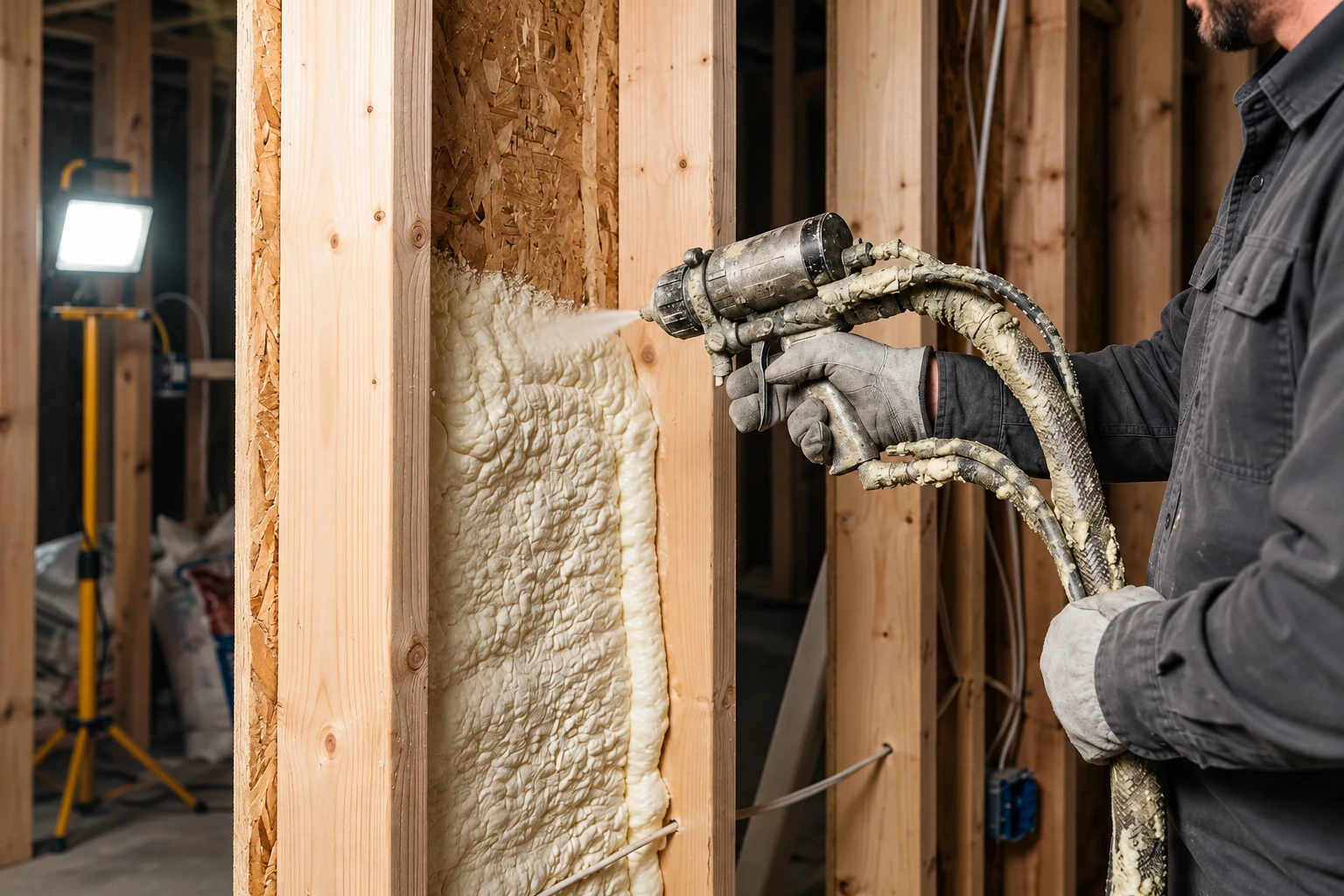
  • Spray foam insulation

    When the heating and air ducts run through the attic, every leaky joint sends air you paid for into a space you aren't trying to heat or cool. Spray foam seals that air while it insulates, so that's where it earns its higher cost.

    Explore service
  • Attic insulation

    Most calls here start with a hot upstairs or a high power bill, and the attic is usually where that begins. We measure how many inches are already up there, fix the gaps and thin spots, then bring the coverage up evenly all the way to the eaves.

    Explore service
  • Blown-in insulation

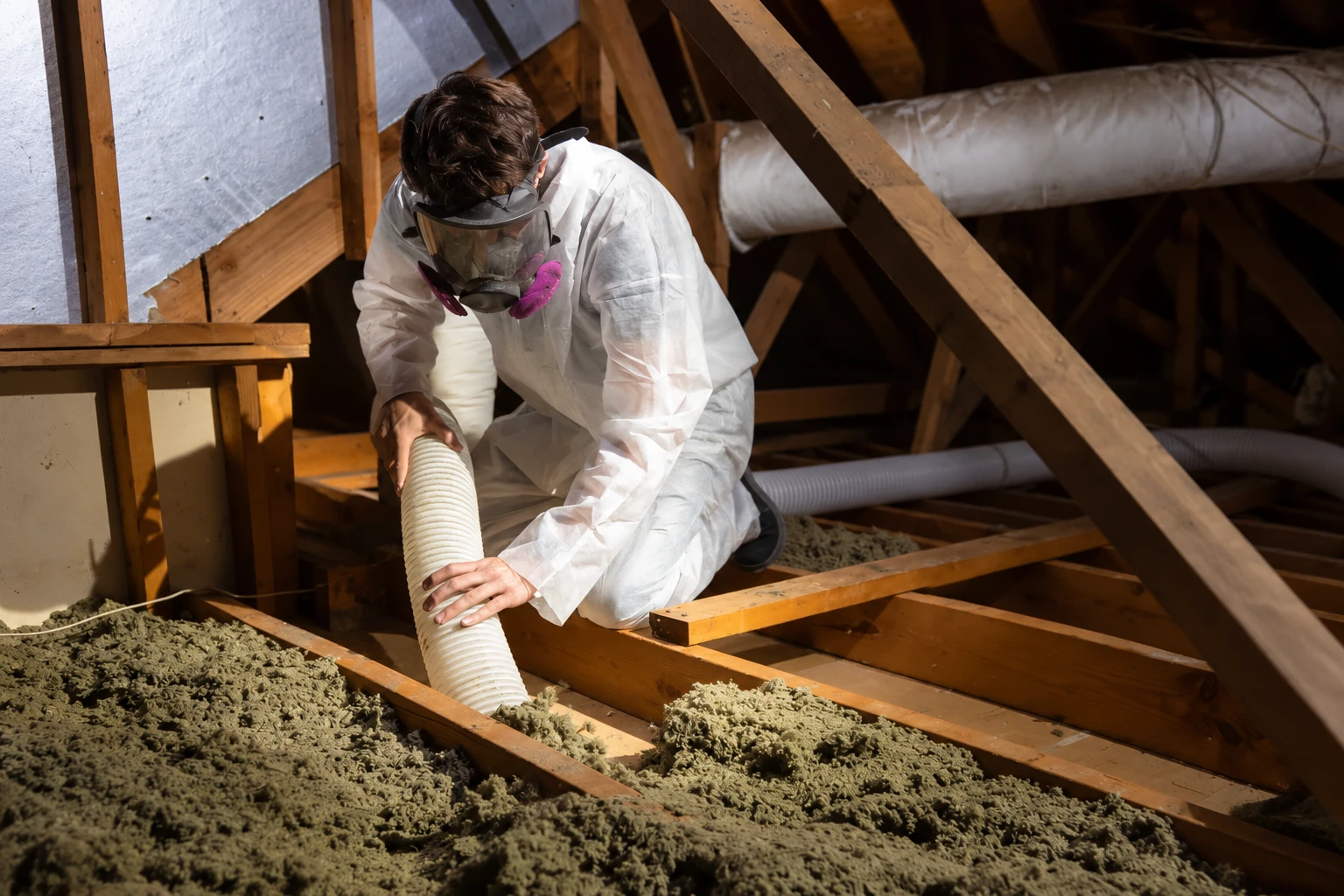
    Older attics often have loose fill that has settled flat over the years. We top it up with blown-in insulation, loose fill sent through a hose, and keep the eave vents clear so the attic can still breathe.

    Explore service
  • Home insulation

    Some houses have more than one problem, like a drafty attic, cold floors and a room over the garage that never feels right. We look at the whole house first and tell you which part is worth doing first.

    Explore service
  • Insulation removal

    If old insulation is soaked from a leak or full of droppings, new material on top just buries the problem. We pull it out and clean up, and we make sure the cause is handled before anything new goes in.

    Explore service
  • Crawl space insulation

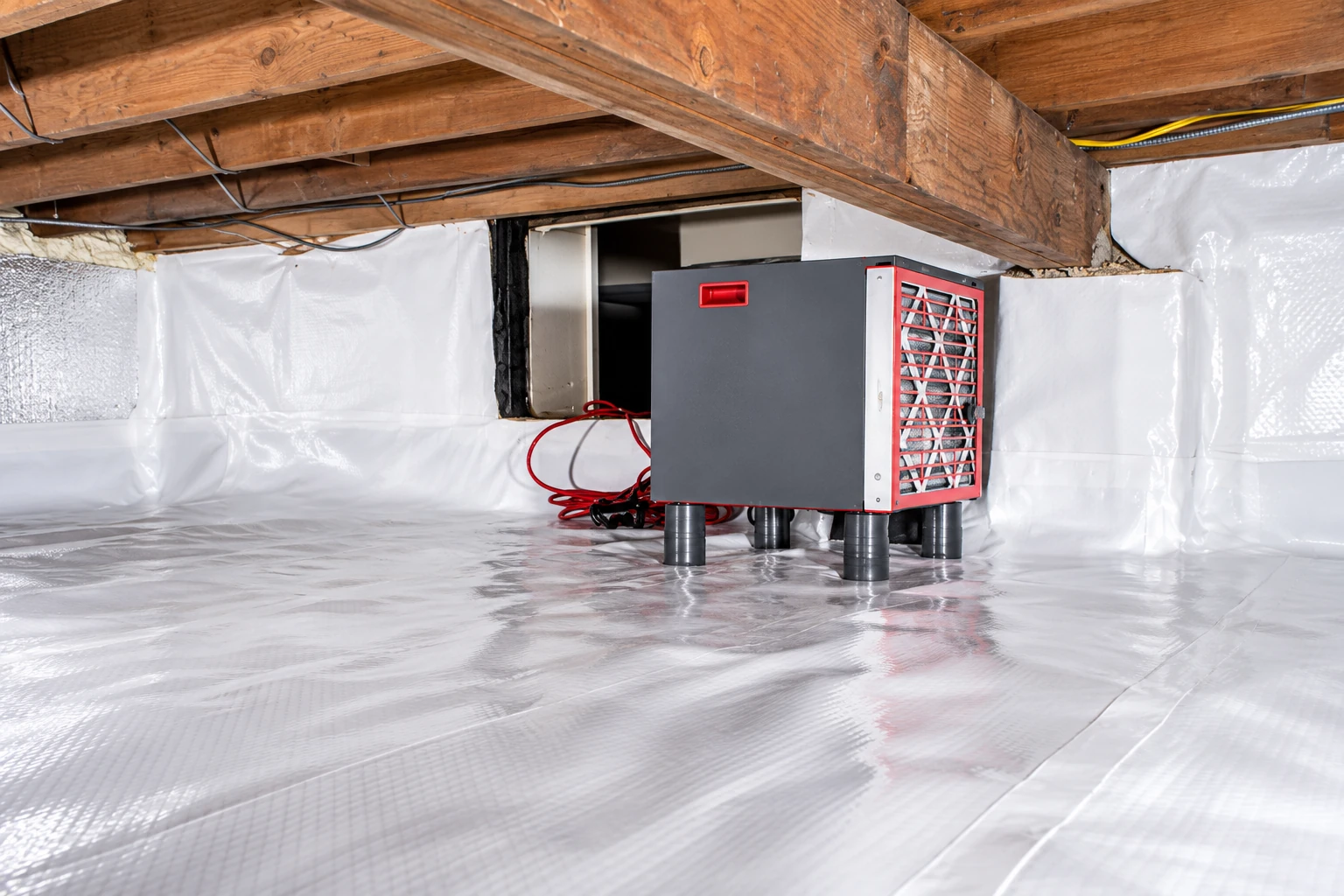
    Houses on raised floors get cold floors when there's nothing between the rooms and the open crawl space below. We insulate between the floor framing and fasten it so it stays up against the floor.

    Explore service
  • Wall insulation

    Older walls were often built with little or nothing inside them, so rooms swing hot and cold. We can fill closed walls through small holes and patch them, or insulate open walls during a remodel.

    Explore service
  • Air sealing services

    Gaps around can lights, pipes, wiring and the attic hatch let air slip right past the insulation. We close those gaps first, because insulation laid over an open gap is fighting a draft it can't stop.

    Explore service
  • Basement insulation

    Basements aren't common in houses around here, and the ones we do see tend to feel damp and cool. We check for moisture first and pick a material that can handle it.

    Explore service
  • Closed-cell foam insulation

    Closed-cell foam is a dense foam that also blocks moisture, so it suits a damp crawl space wall or the rim around a floor. It costs more, so we use it where moisture is the real problem, not everywhere.

    Explore service
  • Open-cell foam insulation

    Open-cell foam is softer and lighter, and it fills odd roof lines and vaulted ceilings well. It fits where you want air sealing and quieter rooms and moisture isn't the concern.

    Explore service
  • Commercial insulation

    Landlords, property managers and business owners call us about offices, shops and rentals with rooms that won't hold a temperature. We look at the space before quoting it and plan the work around your tenants and hours.

    Explore service
  • Crawl space vapor barrier

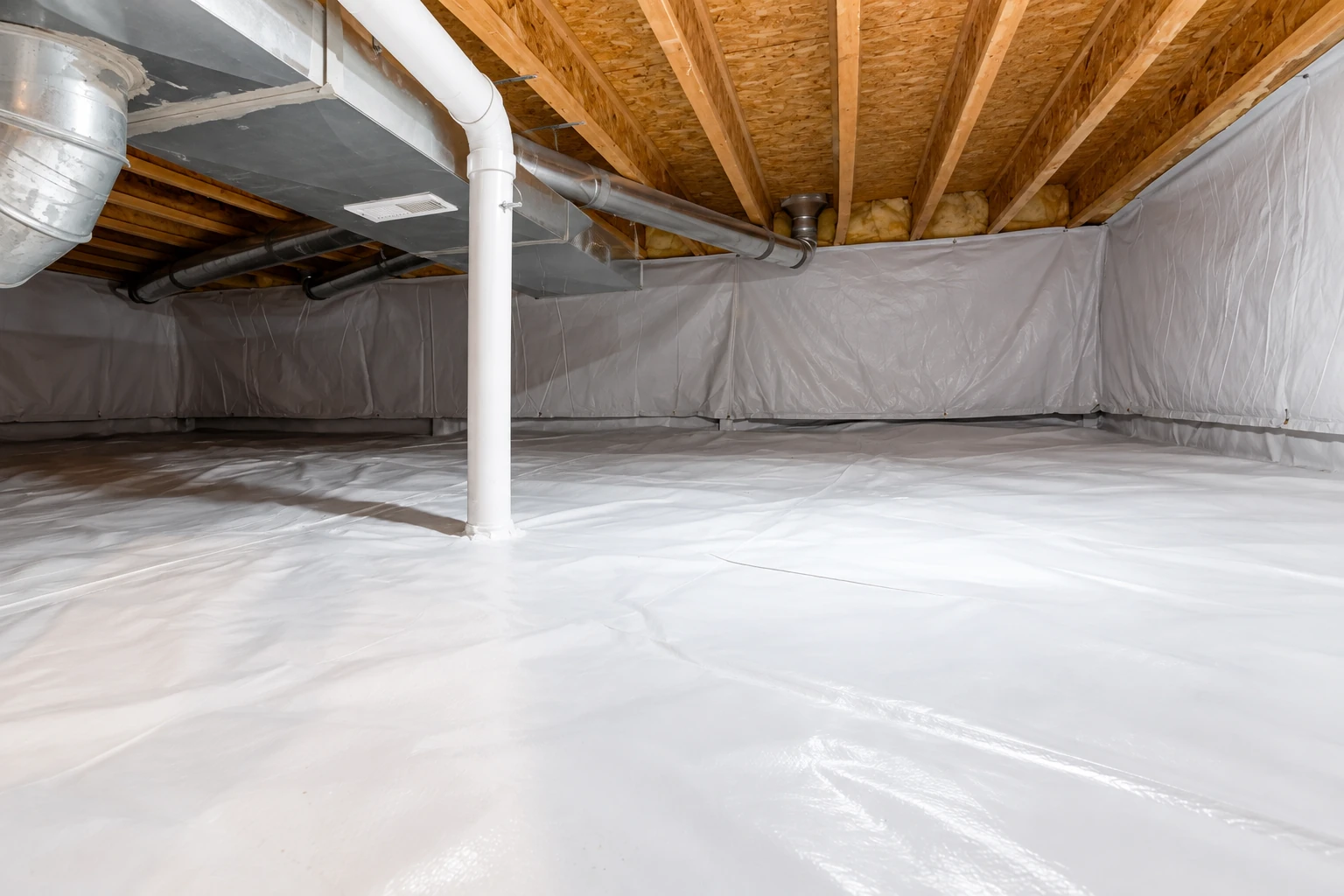
    Bare dirt under a raised floor gives off moisture that ends up in the framing and insulation above it. We lay a vapor barrier over the ground so that moisture stays down there.

    Explore service
  • Vapor barrier installation

    A vapor barrier on the wrong side of a wall or floor traps water instead of stopping it. We work out which side it belongs on for your space before we put anything up.

    Explore service
  • Attic air sealing

    A ceiling with can lights, a pull-down hatch and plenty of pipe holes leaks house air straight into the attic. We seal those openings from above before any insulation goes back down over them.

    Explore service
  • Retrofit insulation

    Older houses insulated long ago, or never, usually need work done without tearing anything apart. We add insulation to the attic, walls or floors as they stand, in the order that makes sense for the house.

    Explore service

Working in Monterey Park: permits, licenses and price

Most of what slows a job down here happens before our crew ever climbs into the attic. Here's how permits and licenses work in Monterey Park, and what actually moves your price.

Permits here go through the city's desk

In Monterey Park, building permits come from the city's One Stop Building Permit Center, which handles permits to install, alter or repair any building. The city's list of work that needs one names things like re-roofing, water heaters and windows, not insulation, so before we start we check with the city what your job needs instead of guessing.

If a permit is needed, we pull it and set up the inspections. That can move your start date, because over-the-counter service only covers permits with no plan check, and some clearances and fees have to be settled before the city issues a permit. Wiring or heating work that turns up along the way gets its own electrical or mechanical permit.

  • We check permit needs with the city before any work starts.
  • If a permit applies, we pull it and book the inspections.
  • Plan check or outside fees can push the start date back.

What to check, and what sets the price

Two licenses are worth checking on anyone you hire here. A license from the state contractors board applies when a job needs a permit, uses employees or runs $1,000 or more in labor and materials, and a bigger job can't be split into smaller bills to get under that. Contractors from other cities also need a Monterey Park business license, even for a short job.

Your price turns on what's already up there. Wet or dirty material has to come out first, gaps need sealing, and foam costs more than loose fill. The schedule turns on the permit, any removal and how easy the space is to reach. You get your own figure at the estimate, after we've seen the attic or crawl space ourselves.

  • Look up the state license before you sign anything.
  • Ask any out-of-town contractor for their Monterey Park business license.
  • Removal, air sealing and foam versus loose fill move the price most.

Get a straight look at your Monterey Park attic

We reply within one business day. Then the owner or our lead installer comes out to your Monterey Park house, looks at the attic, walls or crawl space, and gives you a free quote on site. There's no obligation and no pressure to book.

(213) 491-1019

What we usually find in Monterey Park attics and crawl spaces

These are the things that come up most when we climb into attics and crawl under houses around here. Most of them have a plain fix once someone has actually looked.

  • Settled, thin attic insulation

    A lot of older houses here still have the loose fill they were built with, packed down over the years. We measure how many inches are up there before suggesting anything, because sometimes a top-up is all it needs and sometimes the old material has to go.

  • Thin coverage at the edges

    Attics are hard to reach where the roof comes down to the walls, so installers often pile insulation in the middle and leave the edges thin. That's backward, because the edges matter just as much. We work out to the eaves without burying the vents.

  • The room over the garage

    Rooms over a garage often run hotter or colder than the rest of the house, because the garage ceiling below has little or no insulation. We look at that room's floor, walls and ceiling together, since fixing one side alone rarely settles it.

  • Ducts running through the attic

    When the heating and air ducts live in the attic, leaky joints dump conditioned air where nobody needs it. That changes how we'd insulate the space, and it's the main reason we'd ever point you toward foam over loose fill.

  • Droppings, stains and old leaks

    Rodent droppings and water stains show up in attics more often than people expect. New insulation goes in only after the dirty material is out and any leak has been fixed, otherwise you're paying to cover the problem up.

Why work with us on your insulation job

We're a small Montebello business, and the way we work comes from years of crawling attics before running our own jobs. Here's what that means when we come to your house.

We look at the space before anything else

I started out hauling hose and crawling attics on someone else's crew, and the first thing I learned is that the order matters. If there's a roof leak, a soaked batt or an open gap around a can light, new insulation on top just hides it. So we look first and tell you plainly what we see.

Sometimes that means telling you the job isn't worth doing yet, or that a smaller fix will do more than a big one. I'd rather lose the sale than sell you something your house doesn't need. When it is worth doing, our crew does it in that same order, gaps first and insulation after.

  • Someone who knows attics comes out

    When you call, either I or our lead installer comes to your house to look at the job. You're talking to the people who plan the work, not a salesperson, so the quote matches what's actually in your attic or crawl space.

  • Our own crew does the work

    The people who come back to do the job are our own crew. They know how we work, from keeping the eave vents clear to running even coverage out to the edges, so the job gets done the way we planned it at the estimate.

  • Straight talk on foam versus loose fill

    Foam costs more and seals air while it insulates. For most attics, sealing the gaps and topping up loose fill does the job for less, so that's usually what we recommend, unless your ductwork runs up there and foam earns its cost.

  • Licensed, insured, since 2023

    We're licensed and fully insured, and our promise is simple, satisfaction guaranteed. We've run this business under our own name since 2023. Call (213) 491-1019 or use the form on this page to set up a visit.

Insulation questions we hear from Monterey Park homeowners

These are the questions people in Monterey Park ask us most before they book. If yours isn't here, call and ask, and we'll give you a straight answer.

How much does attic insulation cost in Monterey Park?

We price each attic after we've seen it, because what's already up there moves the cost more than anything else. Removing wet or dirty material, sealing gaps around lights and pipes, a larger attic and choosing foam over loose fill all push it up. A plain top-up over clean, well-sealed insulation is usually the least expensive job.

Can I pull the permit myself as a homeowner in Monterey Park?

Sometimes, yes. The city can issue a permit to a homeowner as an owner-builder under certain circumstances, but permits for some kinds of work go only to people licensed by the state for that trade. The city's permit issuance page links the license categories and the work each one covers.

What causes the upstairs to stay hot even with insulation in the attic?

Usually it's air moving through gaps, not a lack of insulation. Openings around can lights, pipes, wiring and the attic hatch let air pass straight through, and buried eave vents keep heat and moisture trapped up there. Sealing those gaps first and then topping up usually does more than piling on more material.

How long does attic insulation take, and do we have to leave the house?

For air sealing and blown-in insulation you usually don't need to leave, and how long we're up there depends on the attic size and whether old material comes out first. Spray foam is different, because everyone, kids and pets included, stays out until it's safe to come back in, and we give you that re-entry time before we book.

How do I know if my old insulation needs to come out before adding more?

It needs to come out if it's wet, moldy, full of droppings or packed down from an old leak. Putting new material over that keeps the problem in your attic. If it's dry and clean, topping it up is usually fine, and we'll tell you which it is once we've looked.

Service areas

We're based in Montebello and work across the cities around it, including Monterey Park, Alhambra and East Los Angeles. If your city isn't on the list, call (213) 491-1019 and ask.

Ask about your location
(213) 491-1019Get an estimate