Reliable Montebello Insulation ServicesReliable Montebello Insulation Services(213) 491-1019

Insulation contractor in Commerce, CA - attics sealed and insulated in the right order

Reliable Montebello Insulation Services insulates attics, walls and crawl spaces in Commerce, CA. We look at the space first, tell you straight what we see, then seal the gaps and add insulation where your house needs it.

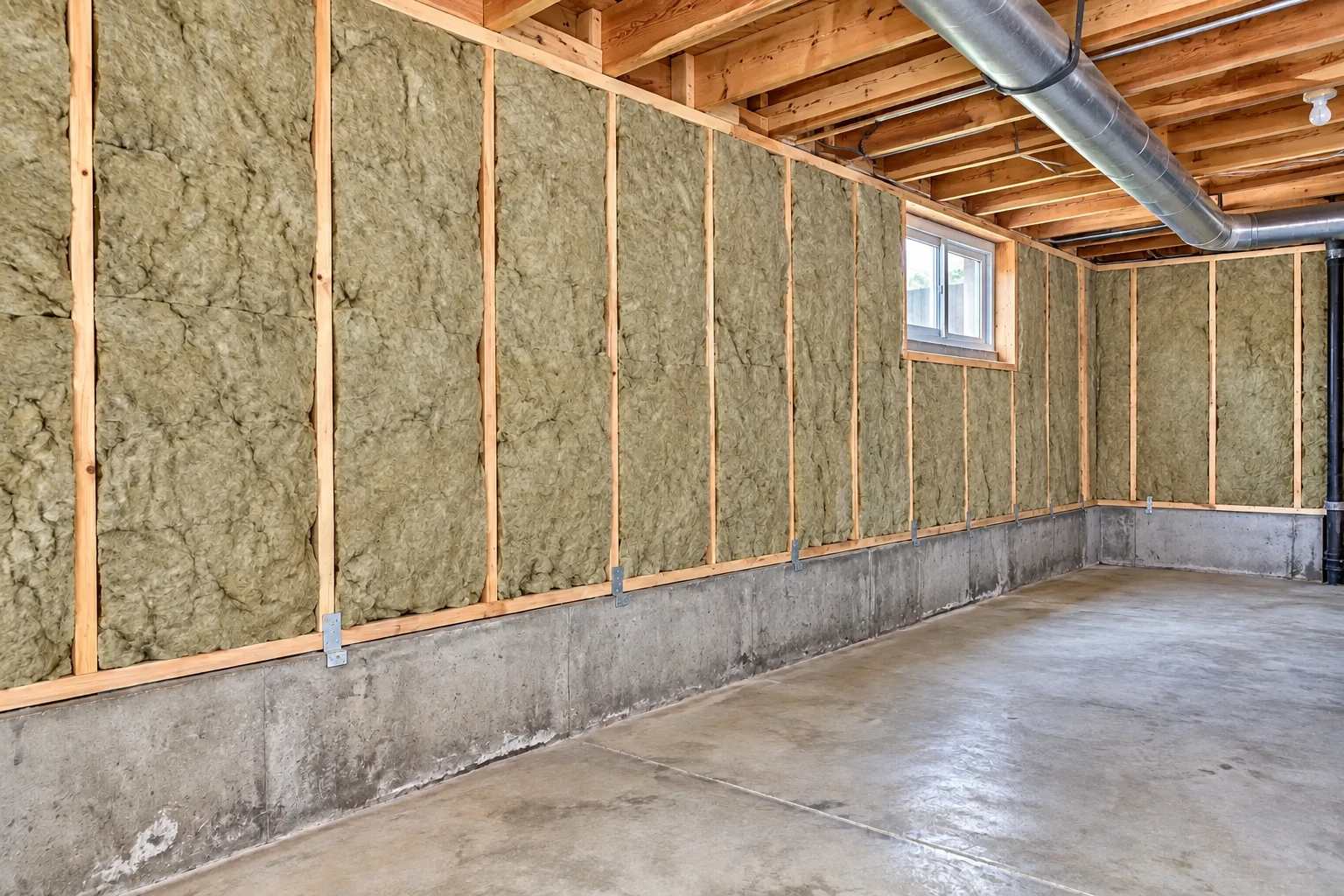
Mineral wool insulation fills the framed walls of an unfinished basement.

How Commerce houses shape an insulation job

Commerce is a small city with a lot of industry for its size. Homes sit on quiet blocks a few streets from warehouses, rail lines and freeways, and many are older single-story houses with stucco walls, low attics and a few rentals mixed in. It's the same kind of housing we work on next door in Montebello and over in South El Monte.

Older houses like these usually mean thin insulation that's settled over the years, with plenty of gaps around the attic hatch and old wiring. So most jobs here start with what's already up there, not with what to add.

Insulation work we do for Commerce homes and buildings

We handle insulation for houses, rentals and commercial buildings in Commerce, from the attic down to the crawl space. Every job starts the same way. I come out, or our lead installer does, to look at the space and tell you what's there and what's worth fixing. Then our own crew does the work in order, getting bad material out before sealing gaps and adding insulation. Here's what each service covers and where we usually see the need for it.

  • Spray foam insulation

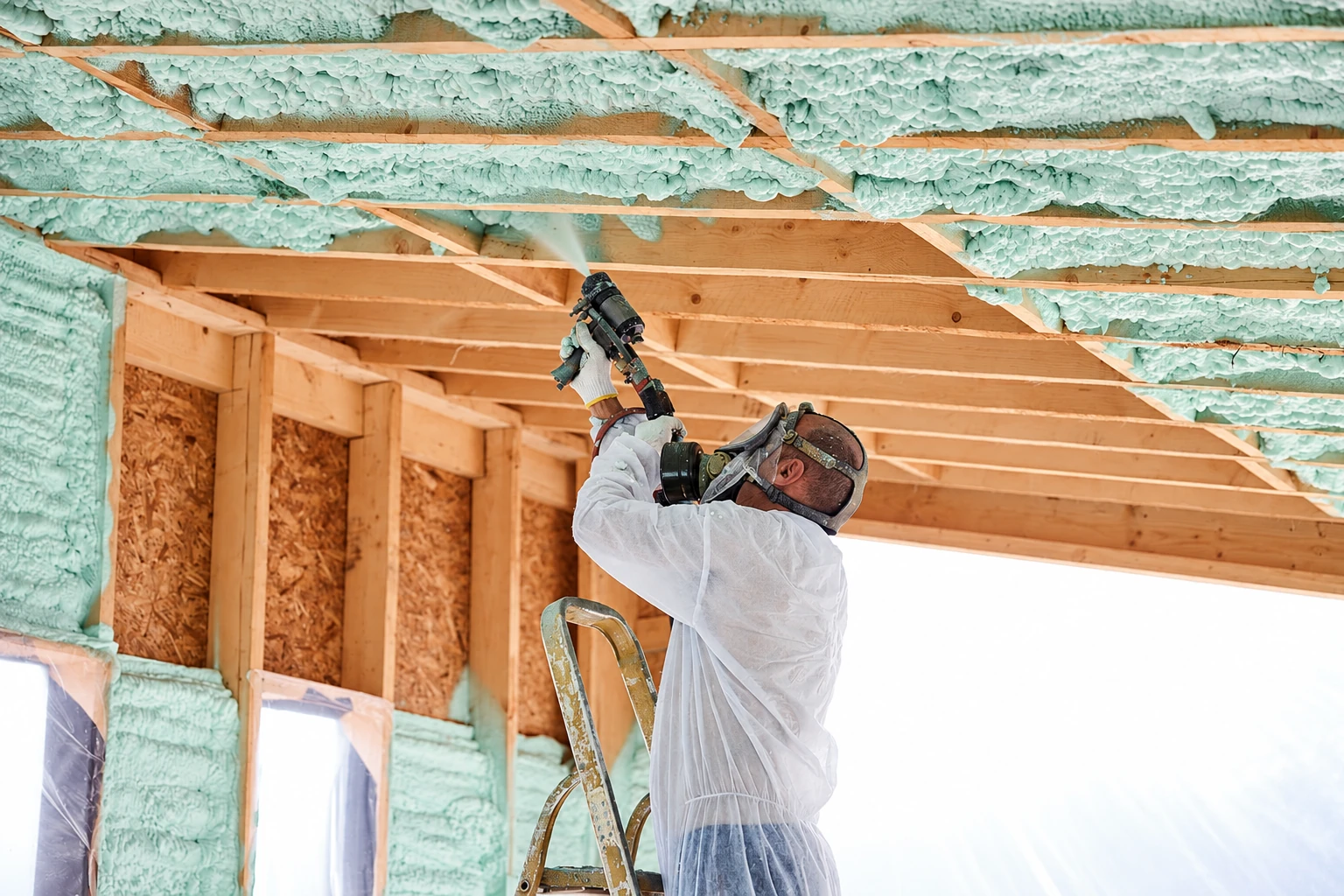
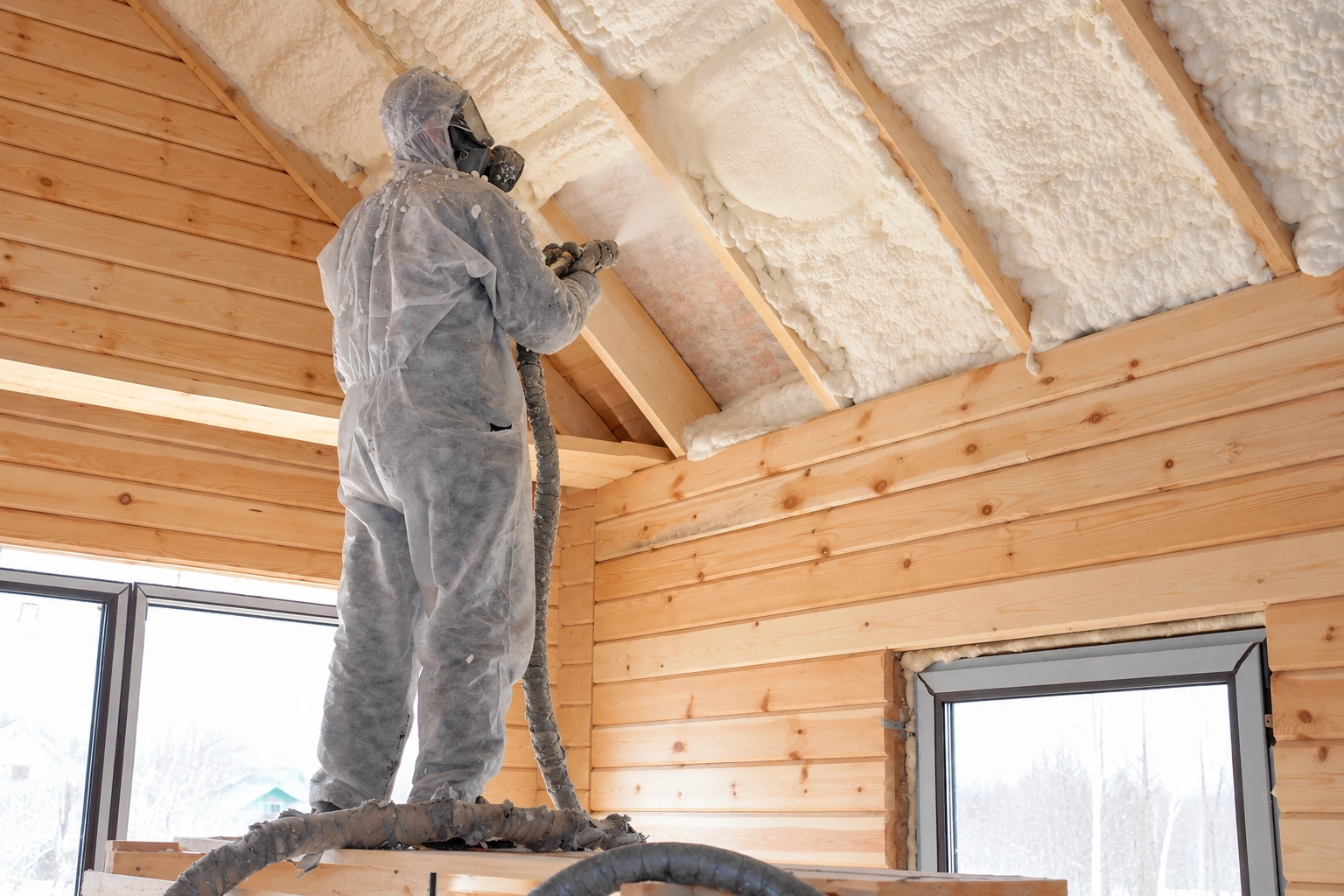
    When a room over the garage or a low-slope roof leaves no space for loose fill, spray foam fills the cavity and seals air in the same pass. It costs more, so we suggest it where the space calls for it, not by default.

    Explore service
  • Attic insulation

    Most older single-story houses around Commerce have a few inches of old, matted insulation up top. We measure what's there, check it for leaks and droppings, seal the gaps, then bring the coverage up evenly all the way to the edges.

    Explore service
  • Blown-in insulation

    Blown-in insulation is loose fill blown through a hose, and it's how we top up most open attics because it fills in around joists and wiring. We keep it back from the eave vents so the attic can still breathe.

    Explore service
  • Home insulation

    If the whole house feels drafty or the power bill climbs every summer, we look at the attic, walls and floor together instead of guessing at one. Then we tell you which part is worth fixing first.

    Explore service
  • Insulation removal

    Old insulation that got soaked by a roof leak or filled up with droppings has to come out before anything new goes in. We bag it, clean the space and only then start the new layer.

    Explore service
  • Crawl space insulation

    Houses on raised floors often have cold floors in winter because nothing sits under the subfloor but open crawl space. We fit insulation between the floor joists and hold it in place so it doesn't sag over time.

    Explore service
  • Wall insulation

    Older stucco houses often have empty or thin wall cavities, which is why one side of a room can feel hot all afternoon. We fill those walls through small holes and patch them when we're done.

    Explore service
  • Air sealing services

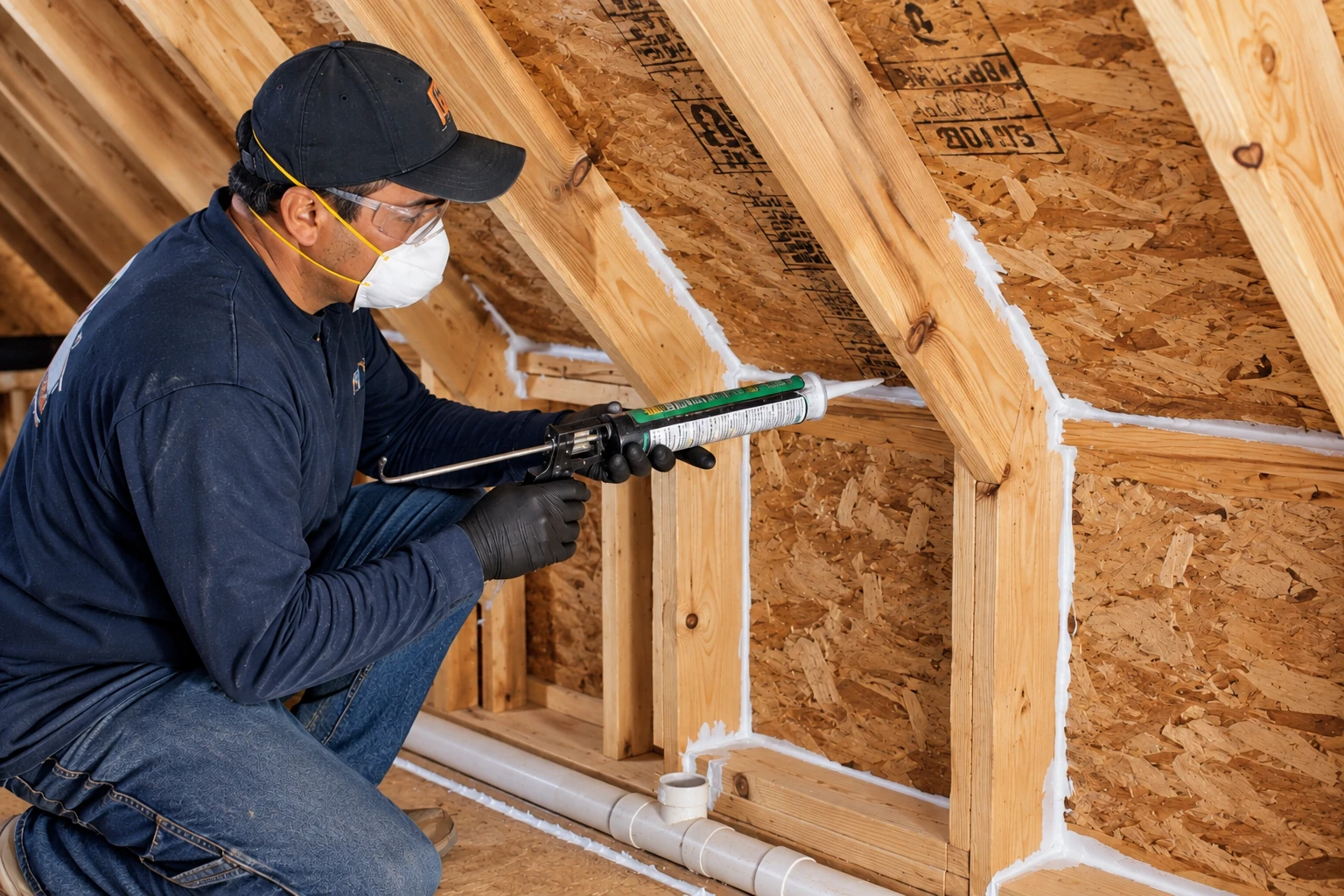
    Air sealing means closing the gaps before insulating, and older houses here have plenty around pipes, wiring and outlets. We seal them first so the new insulation isn't fighting a draft.

    Explore service
  • Basement insulation

    Basements are rare here, but some older houses and commercial buildings have a cellar or below-grade room that stays damp and cold. We look at the moisture first, because insulation on a wet wall only traps the problem.

    Explore service
  • Closed-cell foam insulation

    Closed-cell foam is a dense foam that blocks moisture, so it suits damp spots like a crawl space rim or a metal building wall. It's the priciest option we install, so we use it where moisture is the real issue.

    Explore service
  • Open-cell foam insulation

    Open-cell foam is softer and lighter, and it works well under roof decks and in interior walls where you want air sealing and some sound control. It doesn't stop moisture, so we keep it out of damp spaces.

    Explore service
  • Commercial insulation

    Commerce has a lot of warehouses, shops and offices near its homes, and many run hot under metal roofs. We plan commercial work around your hours so our crew isn't in the way of your business.

    Explore service
  • Crawl space vapor barrier

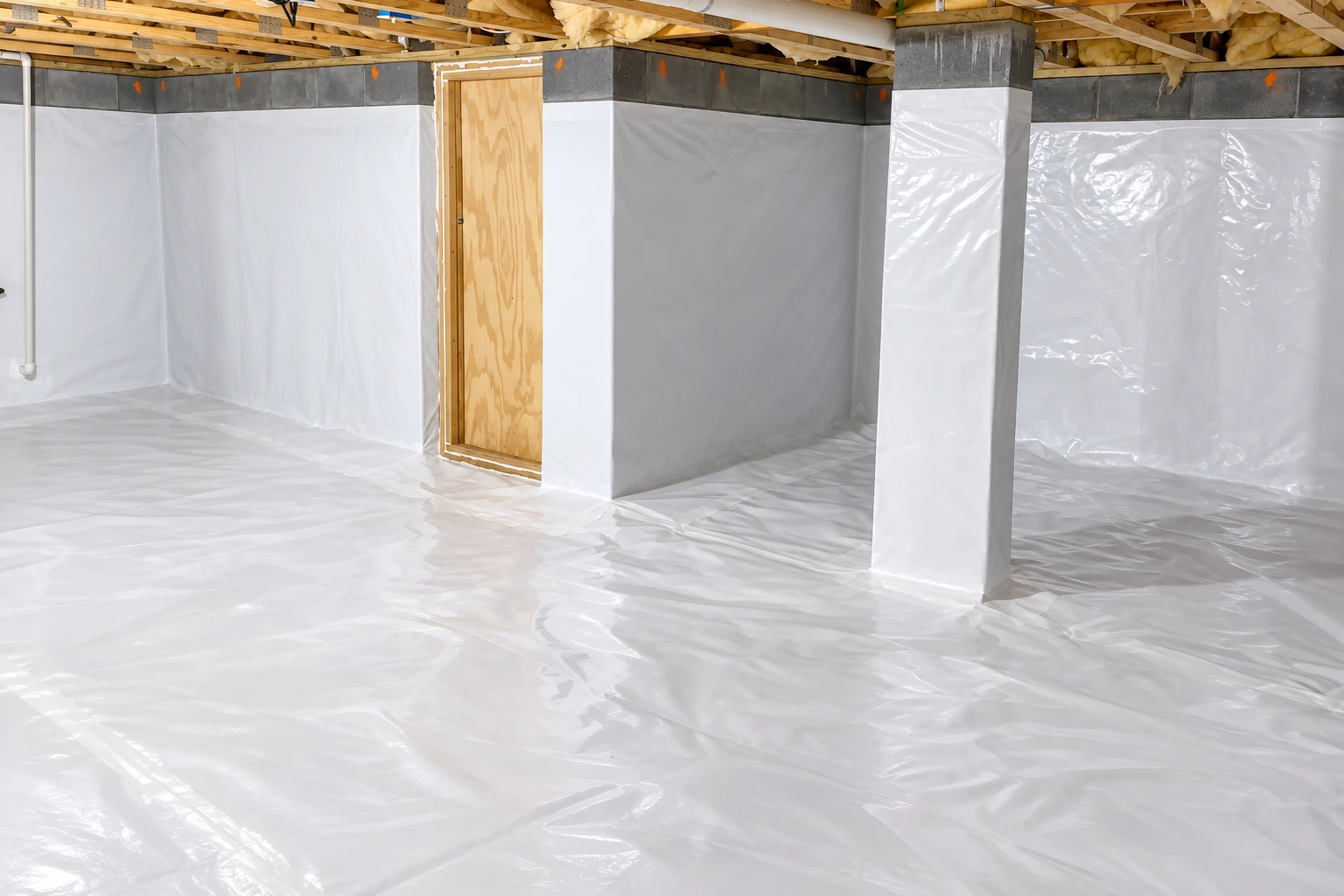
    Bare dirt under a raised floor gives off moisture that ends up in the framing and the insulation above it. We lay a vapor barrier over the ground and seal the seams so that moisture stays down there.

    Explore service
  • Vapor barrier installation

    In walls, attics and floors near a damp spot, a vapor barrier keeps moisture out of new insulation. We put one in only where it helps, because a barrier on the wrong side of a wall can trap water instead of stopping it.

    Explore service
  • Attic air sealing

    Can lights, the attic hatch and the holes around plumbing vents leak air into the attic on most older houses. We seal those before any insulation goes down, since you can't reach them afterward without digging.

    Explore service
  • Retrofit insulation

    Retrofit work means adding insulation to a finished house without tearing it apart, and it's what most homes and rentals here need. We work through the attic, the crawl space or small wall holes and leave your rooms the way we found them.

    Explore service

Working in Commerce: permits, licenses and what sets the price

Two things decide how an insulation job in Commerce gets planned. One is what the city requires before work starts, and the other is what we find once we look in your attic or crawl space.

The city issues permits and business licenses

The City of Commerce's Building and Safety Division issues building permits for every building and structure in the city, and it reviews plans and does the inspections too. If your job needs a permit, that review and those inspections set part of the schedule, so it's worth sorting out before anyone books a crew date.

Before we start, I check with the building office that covers your address. If the job needs a permit, we pull it and set up the inspections, so you're not chasing the city yourself. The city also requires a business license from anyone doing business in Commerce, including contractors based outside the city, like us in Montebello.

  • Ask any contractor you're comparing whether they hold a Commerce business license.
  • City engineering staff also review permit applications for engineering concerns.
  • General city questions go to City Hall at (323) 722-4805.

What moves the price and the schedule

The price turns on what we find. A small attic with good access and decent insulation already up there costs less than a tight one where old, soaked or dirty material has to come out first. The number of gaps to seal matters, and so does the material, because foam costs more than topping up with loose fill.

The schedule turns on the same things, plus the city. Removal adds a step before anything new goes in, and a job that needs a permit waits on the city's review and inspections. Your own number comes from the estimate, once I or our lead installer has looked at the space and told you what's worth doing.

  • Ducts running through the attic can make foam worth its higher cost.
  • Tight attics and low crawl spaces take longer to work in safely.
  • Leaks and damp spots get fixed before any new insulation goes down.

Get a free on-site insulation estimate in Commerce

Call (213) 491-1019 or send the form, and we'll reply within one business day to set a time. I come out to your Commerce property, or our lead installer does, to look at the space and give you a free quote on site. There's no obligation and no pressure to book.

(213) 491-1019

What we find in Commerce attics and crawl spaces

Commerce homes and buildings tend to share a few problems once you get up in the attic or under the floor. These are the ones we look for first, and why each one matters.

  • Thin, settled attic insulation

    On older houses, the insulation up top has usually packed down to a few inches over the decades. That's why the upstairs or the back bedroom stays hot into the evening. We measure what's there before suggesting anything, because sometimes the fix is sealing, not more material.

  • Gaps around lights and the hatch

    Old can lights, plumbing vents, wiring holes and the attic hatch let house air leak straight into the attic. Insulation laid over those gaps still lets air through, so the room below keeps feeling drafty. We seal them first, while we can still reach them.

  • Dust from busy roads nearby

    With freeways, trucks and rail traffic close to so many homes, fine dust works in through gaps and settles on the insulation. Dark streaks on old insulation usually show where air has been leaking. We use those marks as a map of what to seal.

  • Rooms over garages and add-ons

    A room built over the garage or added on later often has less insulation than the rest of the house and sits over an unheated space. It runs hot in summer and cold underfoot in winter. We check that room's floor, walls and ceiling together.

  • Raised floors over dirt crawl spaces

    Many older houses here sit on raised floors with a dirt crawl space underneath. Without insulation under the floor, you feel it in cold floors, and bare dirt can add moisture to the framing. We look at the ground and the wood down there before deciding what goes in.

How we decide what's worth doing on your job

I learned this trade hauling hose and crawling attics on someone else's crew before opening this business in Montebello in 2023. Here's how that shapes the way we handle your job.

We do the work in the right order

The worst insulation jobs I've seen weren't bad material. They were done in the wrong order. New insulation went on top of old material that was soaked from a roof leak or full of droppings, so the smell and the damp stayed. Gaps got buried instead of sealed. So the leak gets fixed and the bad material comes out before anything new goes down.

Then we seal the gaps and lay the insulation evenly, out to the edges where it's usually thinnest, while keeping the eave vents clear so the attic can still breathe. Buried vents trap moisture in the framing. And if I look at your attic and the job isn't worth doing, I'll tell you that instead of selling it.

  • The owner or lead installer looks first

    You don't get a salesperson at your door. I come out, or our lead installer does, and we go up into the attic or under the floor to see what's really there. You hear what we see in plain words, including what can wait.

  • Our own crew does the work

    The people who install your insulation work for us, not a crew hired for the day. So the person who looked at your job and the crew who does it are working from the same plan, and nothing gets lost between the visit and the install.

  • Licensed and fully insured

    We're licensed and fully insured, so you're covered while our crew is up in your attic or under your house. Our promise on the work is satisfaction guaranteed, and we're glad to answer any question about it before you book.

  • Open every day, 7 AM to 10 PM

    You can reach us any day of the week from 7 AM to 10 PM at (213) 491-1019, or through the form on this page. Tell us what you're noticing, a hot room, cold floors or a high power bill, and we'll set a time to look.

Questions Commerce homeowners ask about insulation

These are the questions we hear most from homeowners, landlords and business owners in Commerce. If yours isn't here, call and ask, and we'll tell you straight what we think.

How much does attic insulation cost in Commerce, CA?

We can't give you a fair number until we've seen your attic, because the biggest swings come from things you can't see from the hallway. Old insulation that's wet or full of droppings has to come out first, which adds labor and disposal, and choosing foam over loose fill raises the cost a lot. The attic insulation page covers more about what goes into the job.

How long does an attic insulation job take, and when can we go back inside?

With blown-in insulation you can usually stay home while we work, and how long we're up there depends on the attic's size, how easy it is to get into and whether old material comes out first. Spray foam is different, because you leave while it's sprayed and come back after the re-entry time, the wait the foam maker sets before it's safe to return. We tell you that time, for kids and pets too, before we start.

What causes the room over the garage to get so hot in Commerce?

Usually it's thin insulation in that room's ceiling and walls plus an uninsulated floor over the garage, so heat comes in from three sides. Gaps around the room's lights and outlets let hot attic air in on top of that. We check the whole room before suggesting a fix.

Is spray foam or blown-in insulation better for an older house in Commerce?

For most older Commerce houses, sealing the gaps and topping up with blown-in loose fill is the better buy. Foam costs more, though it seals air while it insulates, and it usually earns that cost when your ductwork runs through the attic. We'll tell you which one your attic calls for when we look at it.

What is the best way to handle old attic insulation with rodent droppings in it?

Take it out before anything new goes in, because covering it keeps the smell and the mess in your attic. We remove it, clean up the space and seal the gaps we find. Only then does new insulation go down.

Does Commerce's construction recycling program apply to an insulation job?

Usually not for a detached single-family home, because the city's construction and demolition recycling program exempts those homes unless the Building Official considers the work a significant reconstruction or remodel. It does cover construction and tenant improvement projects that need a permit, and projects of 10,000 square feet or more or valued at $10,000 or more. Landlords and business owners with larger buildings should plan for it, and we'll ask about it when we check with the building office.

Service areas

We're based in Montebello and work in Commerce and the cities around it, including the ones listed here. If your city isn't on the list, call (213) 491-1019 and ask.

Ask about your location
(213) 491-1019Get an estimate