Reliable Montebello Insulation ServicesReliable Montebello Insulation Services(213) 491-1019

Insulation Contractor in East Los Angeles - Attics Sealed First, Then Insulated

Reliable Montebello Insulation Services is an insulation contractor working in East Los Angeles. We insulate and air seal attics, walls and crawl spaces in the older houses here, and tell you straight what's worth fixing.

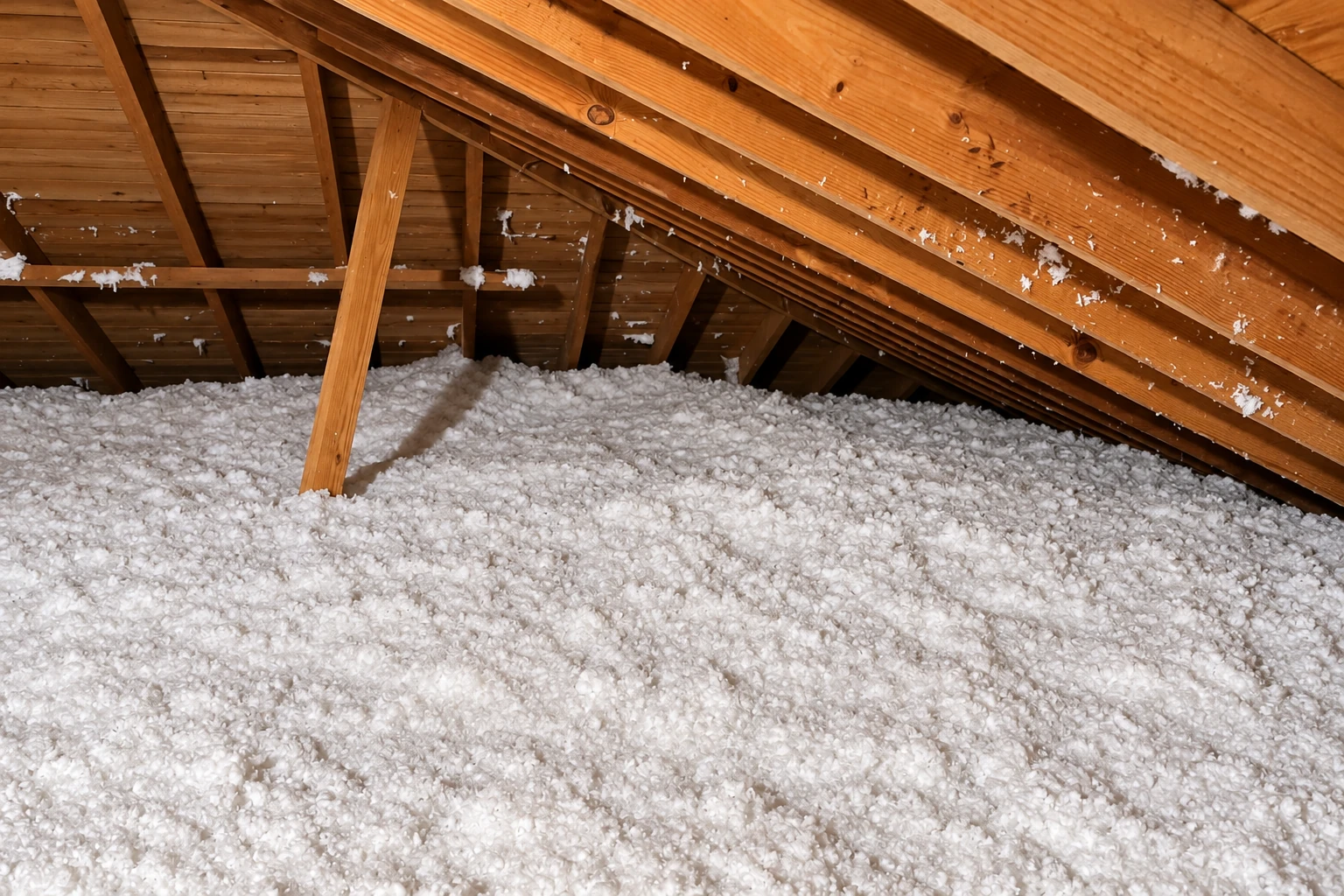
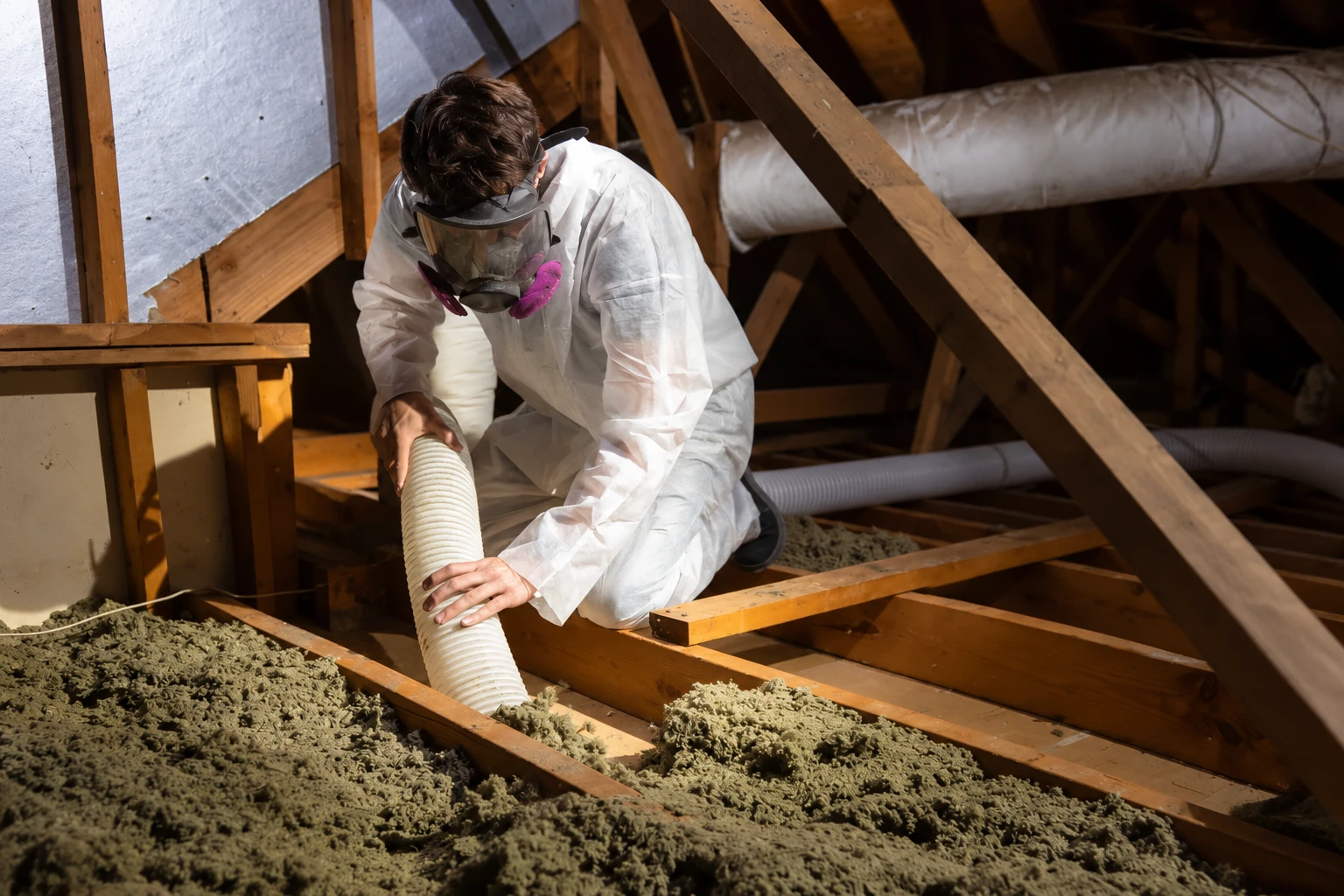
Thick white blown-in insulation covers the floor beneath the wooden rafters of an attic.

What East Los Angeles houses are like to insulate

East Los Angeles isn't a city of its own. It's an unincorporated part of Los Angeles County, right between our base in Montebello and Los Angeles, with Monterey Park to the north and Commerce to the south. Most calls we get here come from homeowners on blocks of single-family houses. Landlords call about duplexes and back units, and a few owners call about shops near Whittier Boulevard.

The houses tend to be older, close together and low to the ground, with tight attics, raised floors and add-ons built over the years. That means more crawling, more sealing around old wiring and fixtures, and a careful look at what's already up there before we add anything.

Insulation work we do in East Los Angeles

We do the full range of insulation work in East Los Angeles, from topping up an attic to pulling out old material and sealing a crawl space. Every job starts the same way, with a look at the space, because what's already there decides what's worth doing. On most houses here the plan is to clear out what's spoiled, seal the gaps, then insulate. If part of that list doesn't need doing on your house, we'll say so.

  • Spray foam insulation

    Spray foam fits the tight spots in older houses, like low roof edges and walls around a converted garage where batts won't sit right. We spray only after checking for leaks and wiring, because foam covers everything it touches.

    Explore service
  • Attic insulation

    Most attics we open here have a few inches of tired insulation and a lot of gaps under it. We measure what's there, clear what's spoiled, seal, then bring the coverage up evenly, edges included.

    Explore service
  • Blown-in insulation

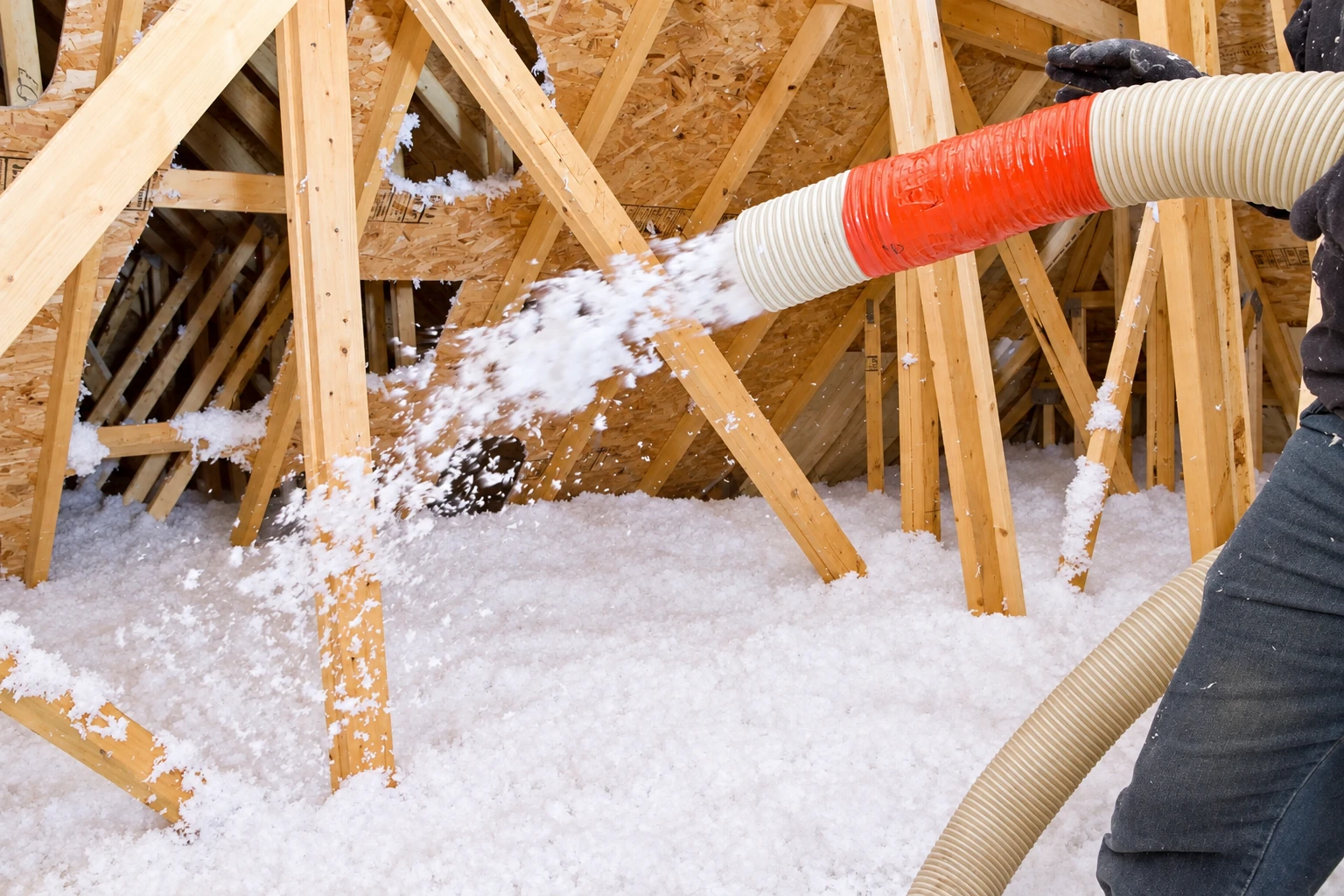
    Blown-in, which is loose fill blown through a hose, is how we top up the shallow attics on single-story houses here. We carry it out to the eaves and set baffles, small chutes that keep the vents open, so the attic still breathes.

    Explore service
  • Home insulation

    When the whole house feels drafty or the power bill keeps climbing, it's usually more than one spot. We look at the attic, walls and floor together and tell you which one to fix first.

    Explore service
  • Insulation removal

    Old insulation in these houses is often packed flat, stained from an old roof leak or full of rodent droppings. We bag it, haul it out and clean up before anything new goes in, so the problem doesn't stay under fresh material.

    Explore service
  • Crawl space insulation

    Cold floors on raised-floor houses usually mean the batts underneath fell down or were never put in. We check the crawl space for damp first, then insulate between the floor joists so it stays up.

    Explore service
  • Wall insulation

    A lot of older stucco houses were built with little or nothing in the walls. We blow insulation into the wall cavities through small holes and patch them, or fill open walls during a remodel.

    Explore service
  • Air sealing services

    Drafty rooms usually come from gaps around old windows, outlets, pipes and the attic hatch, not from thin insulation. Air sealing, which means closing those gaps before insulating, is often the fix that matters most, so we do it first.

    Explore service
  • Basement insulation

    Few houses here have a basement, but some older homes and commercial buildings have one or a low cellar. Where there is one, we insulate the walls with moisture in mind so it doesn't get trapped behind the insulation.

    Explore service
  • Closed-cell foam insulation

    Closed-cell foam, a dense foam that also blocks moisture, earns its higher cost in a few places, like a damp crawl space or a roofline over ductwork. We'll tell you plainly when something cheaper does the same job.

    Explore service
  • Open-cell foam insulation

    Open-cell foam is lighter and softer, and it works well in walls and under the roof where moisture isn't the worry. We use it where it fits and say so when it doesn't.

    Explore service
  • Commercial insulation

    Shops, offices and small apartment buildings need the same work on a bigger scale, usually around tenants or business hours. We plan the job so the building can keep running while we're in it.

    Explore service
  • Crawl space vapor barrier

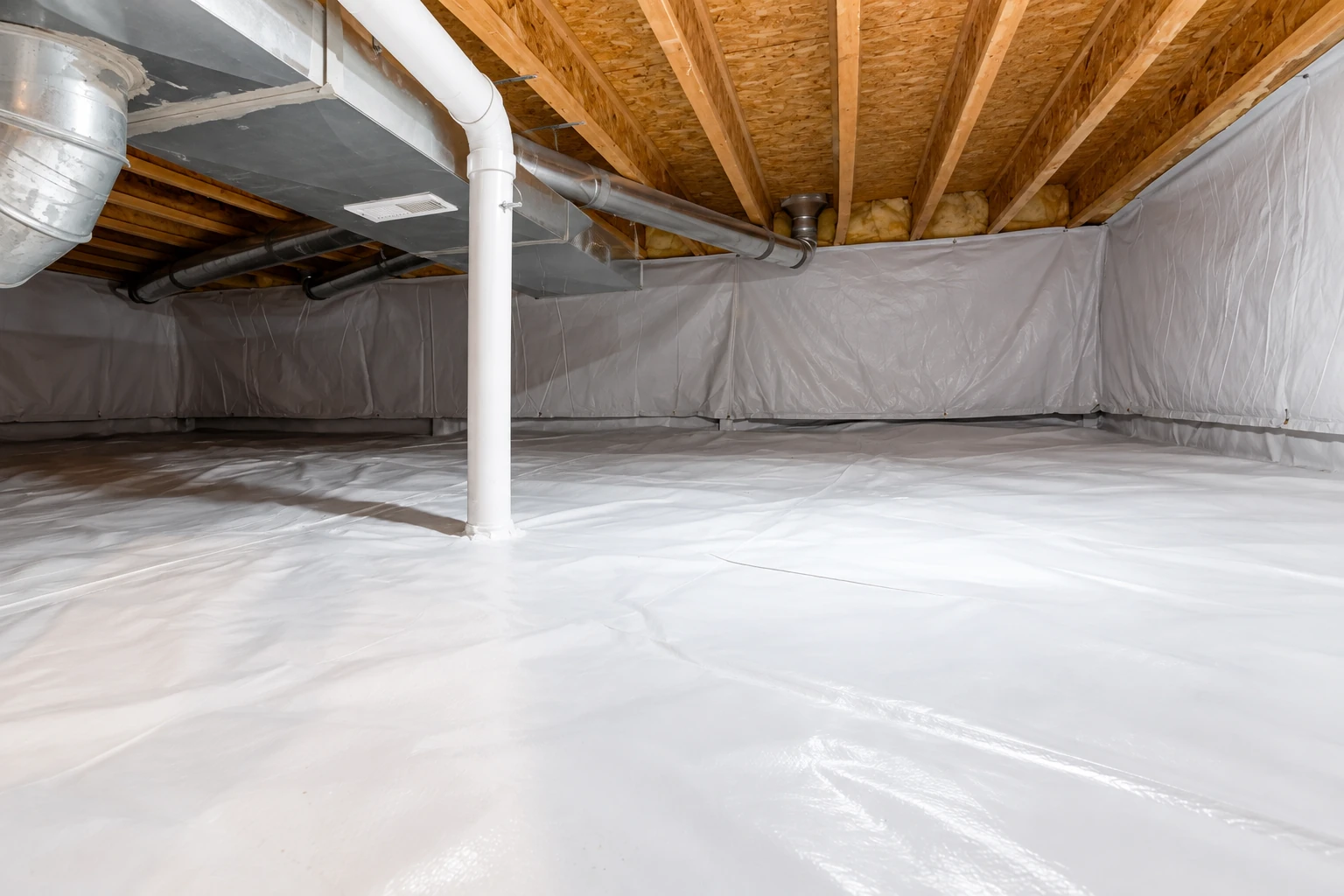
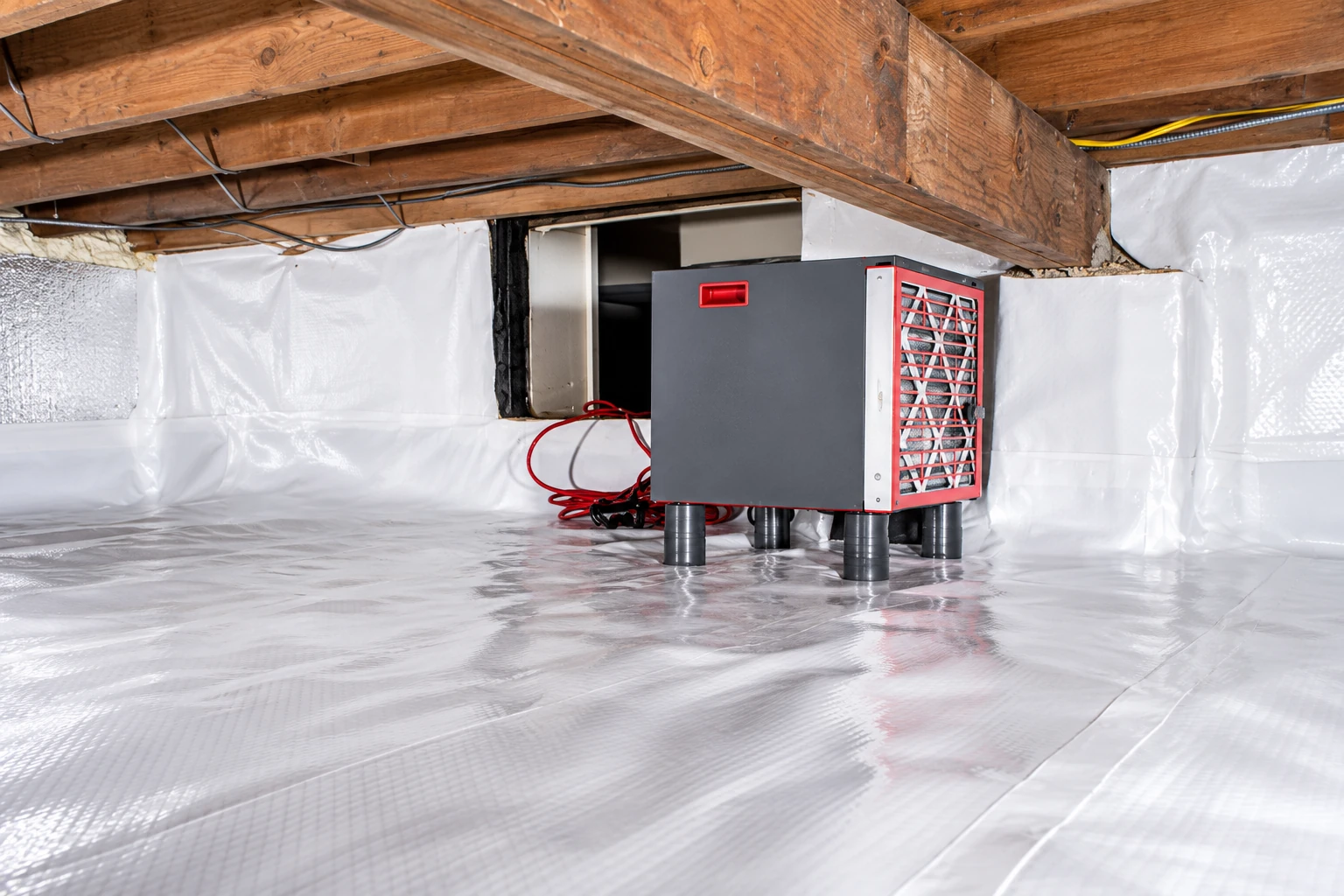
    A bare dirt crawl space lets ground moisture rise into the floor and whatever insulation sits under it. We lay a vapor barrier, a heavy plastic sheet over the soil, and seal the seams so the space stays drier.

    Explore service
  • Vapor barrier installation

    Walls and floors in older houses often have no barrier where one belongs, or one torn up by past repairs. We put it on the right side of the insulation for that space, because the wrong side can trap moisture.

    Explore service
  • Attic air sealing

    Can lights, pipe and wire holes, and the hatch are the usual leaks between the rooms and the attic here. We seal them before any insulation goes in, because insulation over open gaps just fights a draft.

    Explore service
  • Retrofit insulation

    Retrofit means adding insulation to a finished house, which is what most older East LA homes need. We work through the attic, the crawl space and the wall cavities so you don't have to tear open ceilings.

    Explore service

How the county, permits and price work in East Los Angeles

East Los Angeles runs on county rules, not city ones, and that changes who you deal with. Here's how the paperwork goes for an insulation job, and what decides what you'll pay.

The county decides on permits here

With no city government in East LA, LA County Public Works issues building permits, and its East Los Angeles Building and Safety Office is the one that covers your address. Before we start, we check with that office whether your insulation job needs a permit. If it does, we pull it and set up the inspections.

That check can move your start date. When a permit is needed, the county says whether the job needs a plan check, which is the county reviewing the work before approving it, and what steps follow, and we don't start until that's cleared. The county's business license only covers certain activities by businesses located in unincorporated areas, so the license to ask any contractor about is the state one.

  • We check permit needs with the county's East LA office first.
  • If a plan check is required, the county lays out the approval steps.
  • Look up any contractor's state license before you let them bid.

What sets the price on your job

We look before anyone quotes a number, because the attic decides the price. How many inches are already up there, whether the old stuff is soaked or full of droppings and has to come out first, and how many gaps need sealing around can lights, pipes and the hatch all move it.

Material is the other choice. Closed-cell foam costs more and seals air while it insulates. On most attics we see, sealing the gaps and topping up with blown-in does the job for less, unless your ductwork runs up there. Access and how much has to come out decide how long we're there, and the estimate gives you your own number.

  • Old insulation that's wet or soiled comes out before new goes in.
  • We seal around can lights, pipes and the hatch before adding fill.
  • Eave vents stay clear so the attic can still breathe.

Get a free on-site insulation quote in East Los Angeles

Send the form and we'll reply within one business day to set a time. The owner or our lead installer comes out to your East Los Angeles house, looks at the attic or crawl space and gives you a free quote on site. There's no pressure to book.

(213) 491-1019

What we find in East Los Angeles houses

The houses here have a lot in common, and so do the problems we find in them. These are the conditions that shape a lot of insulation jobs in East Los Angeles.

  • Low attics in older houses

    Many houses we see here are older single-story homes with shallow attics and not much room to crawl. That slows the work and decides what material fits, because there's only so much depth between the ceiling and the roof.

  • Thin, settled insulation

    When we open the hatch, we often find a few inches of old batts or loose fill that's packed down over the years. We measure what's there, because the inches already up there tell us whether a top-up makes sense or it all has to go.

  • Converted garages and add-ons

    Converted garages and rooms built onto the back are common here, and they're often the rooms people call about first. They were usually insulated separately from the main house, if at all, so we check their walls, ceiling and floor on their own.

  • Raised floors over crawl spaces

    Houses on raised foundations have a crawl space under the floor, and that's where cold floors usually start. We check for damp ground, a torn vapor barrier and fallen batts before we add anything, because insulation over a wet crawl space doesn't last.

  • Rentals and small commercial spaces

    Landlords and property managers call us about duplexes, back houses and small apartment buildings, and business owners call about shops and offices. We plan around tenants and business hours, and we tell you which units need work and which don't.

How we work on your house, start to finish

We're a small insulation contractor in Montebello, CA, and the way we work comes from years in attics. Here's what we do when we take a job in East Los Angeles.

We fix things in the right order

I started as a helper on a small insulation crew, hauling hose and crawling attics, and I opened this business in Montebello in 2023. What that taught me is order. If there's a roof leak, an open gap or a buried vent, we show you and it gets fixed first, because covering a problem doesn't fix it.

I'd rather tell you a job isn't worth doing than sell you one that isn't. If your attic already has decent coverage and the real problem is air leaking around the hatch, I'll say so. You're welcome to go up the ladder and see what we see, then decide from there.

  • Licensed and fully insured

    We're licensed and fully insured for every job we take, from a small attic top-up to a commercial building. Satisfaction guaranteed. Before we pack up, we walk you through what we did, and you can ask us anything about the work.

  • Our own crew does the work

    The people in your attic work for us, not a sub hired for the week. They do it the way I learned it, sealing before insulating, keeping vents clear and filling the edges as deep as the middle, which is where a lot of jobs fall short.

  • Cleanup is part of the job

    Old insulation and loose fill get everywhere if a crew is careless. We cover the path from your door to the hatch, bag what comes out and haul it away, so you're not vacuuming fiberglass out of the hallway after we leave.

  • Call or send the form

    Call (213) 491-1019, any day from 7 AM to 10 PM, or send the form on this page. Tell us what's bothering you, whether it's a hot room upstairs, cold floors or the power bill, and we'll set a time to come look.

Questions East Los Angeles homeowners ask about insulation

These are the questions we hear from homeowners in East Los Angeles, mostly about the county, licenses and what the job costs. If yours isn't here, call and ask.

How do I find out if my insulation job in East Los Angeles needs a permit?

Ask the county office covered above before any work starts, which is what we do on every job here. The county's permit list covers alterations, repairs, replacements and mechanical systems, so a job tied to ductwork or a remodel is worth asking about. If a permit is needed, we pull it.

Does an insulation contractor in East Los Angeles need a California license?

The state requires a contractor license when a job needs a building permit, uses any additional workers or totals $1,000 or more in labor and materials, which takes in nearly any real insulation job. The contractor has to hold that license before they even bid, so look the name up with the Contractors State License Board before you take a quote.

How long do I have to schedule the first inspection on a county permit in East Los Angeles?

The county wants the first inspection requested within 12 months of the permit being issued. After that, an inspection every 6 months keeps the permit active. When we pull the permit, we set up the inspections, so that timing is on us.

What building code applies to insulation work in East Los Angeles?

East LA follows the county's building code, which takes the California Building Code and adds the county's own changes. Work that doesn't need a permit still has to meet that code, other laws and any approvals other agencies require, so no permit doesn't mean no rules.

How much does attic insulation cost in East Los Angeles?

We give you a price after we've looked at your attic, because what's up there sets the cost more than the size of the house. The biggest swings come from old insulation that has to come out first and from tight, low attics that take longer to work in. Choosing foam over sealing and loose fill raises the price, so we only suggest it where it earns its cost.

Do we have to leave the house during insulation work in East Los Angeles?

For air sealing and loose fill, you can usually stay home, since the work happens in the attic or under the floor and we keep the path to the hatch covered. Spray foam is different. You, the kids and the pets stay out until the re-entry time, the wait the foam's maker sets before it's safe to come back in, and we tell you that time before we book.

Service areas

We're based in Montebello and work across the cities around it, including the ones listed here. If your city isn't on the list, call (213) 491-1019 and ask.

Ask about your location
(213) 491-1019Get an estimate